If you’ve ever stood in our warehouse, chatting with a line lead about conveyor belt breakdowns, you’ve probably heard this one: “PU belts? They don’t need grease, right?” I get it—old-school rubber belts feel like they need a squirt of something every few weeks, so it’s easy to carry that mindset over to polyurethane (PU) belts. But here’s the thing—after 12 years as a PU belts supplier, I’ve seen way too many operations mess this up. Some over-lubricate, some skip it entirely, and half the time, it’s not the belt itself failing—it’s someone guessing wrong. Let’s break this down, no fancy jargon, just real-world stuff I’ve seen day-to-day. PU Belts
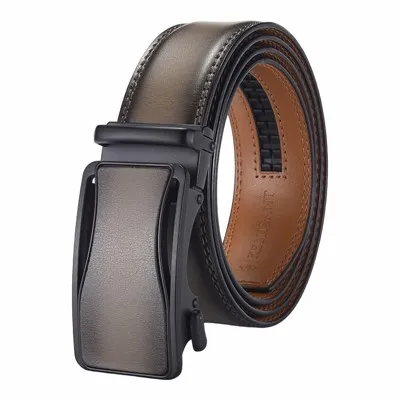
First, let’s get the basics out of the way so we’re all on the same page. PU belts aren’t just random plastic straps—they’re a specific type of thermoplastic polyurethane, way tougher than regular rubber, with a fine, grainy (or sometimes smooth) surface that’s designed to grip things. The big question: do they need lubrication? Short answer: usually not for their core function, but “usually” is the key word here. I used to tell customers a flat no, until I got a frantic call from a local food processing plant last year. Their custom PU conveyor for cookie dough was sticking so bad, lines were backing up every hour. The maintenance team had never thought to check—they’d just installed the belts and let ’em run. Turned out, the dough’s oil and sugar buildup was turning into a gritty paste that wore the belt’s edge in 6 weeks, instead of the 2+ years it should’ve lasted. That’s when I stopped giving the black-and-white answer.
Let’s talk why traditional rubber belts need lube, because that’s the confusion. Rubber is porous, it gets sticky when it heats up, and it wears out fast if it rubs against metal or other surfaces without something to cushion it. PU? It’s non-porous, has higher tensile strength, and way better abrasion resistance. On top of that, most PU belts we supply for light to medium duty—like packaging, general conveying, small parts handling—sit on plastic or coated metal rollers. So there’s barely any friction there to cause wear. But here’s where the context matters: not all PU belts are the same, and not every application is the same.
Take the two main types of PU belts we carry, for example. First, flat PU belts—these are the workhorses for assembly lines, packaging, even small food prep. For 90% of those jobs, zero lubrication is not just okay, it’s better. I’ve got a customer that runs a electronics assembly line with our standard 2mm thick flat PU belts—they’ve run them 24/7 for 3 years, not a single drop of lube, no excessive stretching, no weird wear. The only time we’ve had issues with flat belts was when a worker tried to use a general-purpose grease to make a splice slide easier when installing. They put too much on, and the belt started slipping so bad they had to pull it out within a week. Grease on PU’s surface messes with its grip—since it’s meant to hold products, not let them slide around, that’s a disaster.
Then there’s V-shaped PU belts—these are the ones used in heavier duty stuff, like conveyor drives, agricultural equipment, or machinery that pulls a lot of weight. Now, here’s the catch with these: even though they’re PU, some of these do need a tiny bit of lubrication, but not the thick grease you’d use on a car belt. Wait, no—actually, most V-shaped PU belts still don’t need lube, but if you’re running them in a super dusty, high-heat environment, or on rusty rollers, a light spray of silicone-based lubricant (not petroleum-based) every few months can help. Let me explain: if a roller is rusty, it creates friction that heats up the belt, which makes PU break down faster. Or if you’re running a belt that’s driving a heavy load in a sawmill, for example, sawdust gets everywhere and acts like sandpaper on the belt’s sides. A tiny bit of silicone lube creates a barrier between the belt and the grit, without making it slippery enough to lose grip. We had a sawmill customer test this—before they were replacing their V-belts every 8 months, after using light silicone spray quarterly, they’re going 18+ months now. That’s a win, but it’s not the same as slathering grease on a rubber belt.
Now, let’s get into the mistakes I see all the time, because that’s what this blog’s really about. First mistake: over-lubrication. I can’t tell you how many customers message us saying their PU belt is slipping, and when I ask, they say they used a bunch of WD-40 or grease “to help it grip.” WD-40 is not a lubricant for PU, by the way—it’s a water displacer, and it eats at the PU material over time. Grease is way too thick, it clogs the belt’s tiny gaps (wait, no—PU is non-porous, but the buildup is on the surface), and it creates a slippery film that makes your product slide instead of moving down the line. One packaging plant we worked with tried this, and they had 30% of their boxes getting stuck or misaligned for 2 weeks until they wiped all the grease off.
Second mistake: under-lubricating when you actually need it. That’s the cookie dough plant I mentioned earlier. That’s a food-grade application, right? They shouldn’t be using oil anyway, so when the dough built up, they thought cleaning the belt once a day was enough, but it wasn’t. Turns out, the grease they were using to sanitize their equipment was also getting on the belt, mixing with the dough, and creating that grit. We ended up suggesting a food-grade silicone-based release agent—something that’s designed for PU and food contact, not just random lube. They use a tiny spray every shift, and now their belts are lasting as long as they should, no more line backups. That’s a case where “no lubrication” would’ve been wrong, but it’s specific to their application.
Another big one: applying the wrong type of lubricant. This is super important. PU is a type of plastic, right? So petroleum-based lubricants (like motor oil, general-purpose grease) will break down PU over time. They eat at the material, make it brittle, cause it to crack. The only lubricants you should ever use on PU belts are silicone-based, water-based, or food-grade lubricants—those are compatible. We actually stock these small, ready-to-use spray bottles for customers who need them, because I’ve had way too many people grab the wrong thing from their maintenance closet.
Wait, what about timing belts? Oh right, I almost forgot those—PU timing belts are used in a lot of precision machinery, like CNC machines, 3D printers, even medical equipment. Do they need lubrication? Almost never. Most timing belts ride on pulleys with teeth that fit perfectly into the belt’s grooves, so there’s minimal friction. We’ve got a medical device customer that uses our PU timing belts in insulin pen assembly lines—they run those belts for 5 years straight, no lube, no issues. The only time I’d suggest lube on a timing belt is if you’re running it in a super dirty environment, like a construction site where there’s concrete dust, and even then it’s just a light wipe with silicone spray, not a full soak.
Let me also talk about maintenance best practices, because even if you don’t use lube, bad maintenance will kill your PU belts faster. I always tell customers two things: first, keep the belts clean. Wipe them down regularly with a mild detergent and water—no harsh chemicals, no abrasives. Second, check the tension every 3 months. If a belt is too tight, it’s putting unnecessary stress on the PU, which can make it crack even if you didn’t use lube. If it’s too loose, it slips, which wears it out faster. Those two steps will get you way more belt life than any lubricant ever would.
I know a lot of you reading this are maintenance managers, line leads, small business owners who don’t have a team of engineers to tell you this stuff. When I get a call from a customer saying their PU belt is failing, my first question isn’t “did you lubricate it?”—it’s “what are you moving, what environment is it in, what kind of belt is it?” That’s the key. A PU belt for moving fresh produce in a grocery store’s distribution center? Probably never needs lube. A PU belt for moving hot metal parts in a foundry? Maybe a light silicone spray every 6 months. A PU belt for moving sticky candy in a confectionery plant? You might need a food-grade release agent, not a lubricant, to keep buildup off.
Here’s the thing I want you to take away: if your belt is working fine, no slipping, no weird noise, no excessive wear—don’t add lubricant. It’s not needed, and you’re just asking for problems. But if you’re seeing wear, slipping, or buildup that you can’t clean off, don’t grab the first grease can you see. Reach out to your PU belts supplier (that’s us, by the way) and tell them what application you’re using it for. We can point you to the right product, or even suggest if a tiny bit of lube would help, and what type to use.
I’ve seen too many operations waste money replacing PU belts every few months because they followed the old rubber belt playbook. One customer a few years ago was replacing their PU V-belts every 6 months because they thought they needed lube. We showed them how to adjust tension, clean their rollers, and once a year spray a tiny bit of silicone lube, and now those belts are going 3 years. That’s $1,500 a year they’re saving, just because they stopped over-lubricating.
If you’re wondering if your own PU belt needs lube, take 2 minutes to check: what’s it running on (plastic rollers, metal rollers, coated metal)? What are you moving (dry parts, liquids, sticky food)? How’s the environment (clean warehouse, dusty sawmill, food processing)? If it’s a clean, dry, light duty application? Skip the lube. If it’s heavy, dirty, sticky, or food-related? Reach out. We don’t do pushy sales—we’ll tell you if you even need a new belt, or if a simple adjustment or a tiny amount of the right lube will fix your problem.
At the end of the day, PU belts are designed to cut down on maintenance, not add to it. Lubrication isn’t a required step for most of them, but that doesn’t mean it’s never needed. The worst thing you can do is guess. If you have a line that’s running into belt issues, hit us up, tell us what’s going on, and we’ll help you sort it out. No jargon, no sales pitch that leaves you confused—just straight talk from someone who’s been selling PU belts for over a decade, and has seen every possible mistake and win in between.
Leather Belts References
- Polyurethane Belt Technology: Properties and Applications. Industrial Belt Manufacturers Association, 2021.
- Lubrication Guidelines for Conveyor Belts. Material Handling Industry Association, 2022.
- Food-Grade Conveyor Belt Maintenance Standards. National Sanitation Foundation, 2020.
Pingyang County Ganhua Leather Goods Co., Ltd.
As one of the most professional pu belts manufacturers and suppliers in China, we’re featured by quality products and good service. Please rest assured to wholesale customized pu belts made in China here from our factory. Also, free sample is available.
Address: No. 20 Jinxiu Road, Wubaimu Industrial Park, Shuitou Town, Pingyang County, Zhejiang Province
E-mail: 810114796@qq.com
WebSite: https://www.ganhuabelt.com/
