If you’ve ever wandered down a building supply aisle, half-listening to a sales rep rattle off specs for wall panels, you’ve probably passed fiber cement board line equipment at some point. As someone who’s spent the last 12 years designing and manufacturing these lines for a living, I can’t tell you how often I get asked one specific question that never gets a straight answer: “Can this stuff be used in bathrooms?” It’s a fair question—bathrooms are tough spaces, after all. Think constant steam, splashes of hot water, occasional missed spills, and the kind of humidity that makes even the sturdiest wood warp before you can say “grout.” Most people’s default answer is either “hell no” (if they’ve ever used particleboard in a shower) or “sure, why not” (if they’ve seen it on a siding job). But neither of those is quite right, and as someone who works on the equipment that turns raw cement, cellulose, and fiber into those panels, I’m here to break it down the way I do with my team every Tuesday in the workshop: no jargon, just facts. Fiber Cement Board Line

First, let’s cut through the confusion about what fiber cement actually is. For anyone who hasn’t spent an hour hovering over a test press, fiber cement board is a composite material made by mixing Portland cement, cellulose fibers (usually wood pulp), and small amounts of other additives, then pressing and curing it under high pressure and heat. The lines my team builds are the whole system that does that: they feed the raw materials, mix them to a precise ratio, form the wet slurry into thin sheets, press them to remove excess water and align the fibers, then cure them for days in temperature-controlled chambers. What makes these lines different from, say, a particleboard line is that we’re dealing with cement, which isn’t going to rot like wood or melt like foam when it gets wet. But the cellulose fibers—those are the wildcard. That’s the part that makes people nervous about bathrooms, right? If cellulose is wood pulp, won’t it absorb water? Let’s test that, because I’ve tested this a hundred times in our on-site lab.
About six years ago, we had a residential customer in Ohio who insisted on using our standard fiber cement panels in their master bathroom renovation. They were tired of their old drywall cracking and molding, and their contractor told them fiber cement would work. We warned them, but they said they’d take the risk. Fast forward 18 months, and we got an email with photos: the panels in the shower surround looked fine, but the ones on the back wall, where the mirror and vanity were, had started to warp. Why? Because those panels had been cut on-site with a circular saw that kicked up a lot of fine dust, and the customer didn’t seal the cut edges before tiling over them. That’s the mistake everyone makes, not the material itself.
Here’s the science: cured, fully sealed fiber cement board is actually water-resistant, not waterproof—two very different things. Waterproof means it won’t let any water pass through, ever. Water-resistant means it can handle occasional exposure to moisture without breaking down. The cement matrix is non-porous once cured, but the cellulose fibers are microscopic, and if the edges or surface are damaged, water can seep in through those tiny gaps and cause the board to swell. In a bathroom, that’s exactly what you have to avoid. So the short answer isn’t “yes” or “no”—it’s “yes, if you do it right, and no if you skip the critical steps that make it work in wet areas.”
Let’s walk through the difference between dry areas (living rooms, bedrooms) and wet areas (showers, tub surrounds, powder rooms behind the toilet, even full bathrooms with no window). For dry areas, standard fiber cement works great—no sealing needed, just screw it to studs, tape the joints, and paint. But for wet areas, you have to adjust two things: the material you use, and the installation process. First, not all fiber cement boards are created equal. The lines we build can adjust the mix ratio to make two types of panels: standard interior, and “moisture-resistant” (MR) fiber cement. MR panels have a higher cement-to-cellulose ratio, or sometimes use synthetic fibers instead of some of the cellulose, which makes them less absorbent. We don’t push MR panels for siding—they’re a bit more expensive to produce, but for bathrooms, that extra cost is worth it.
Then there’s the installation part, which is where most DIYers and even some contractors go wrong. I see this all the time when I visit job sites: people install the panels, cut them on-site with a regular saw that doesn’t leave a smooth edge, then tile right over the top without sealing anything. That’s a death sentence for fiber cement in a wet area. The cut edges are exposed to moisture, and even if you tile the face, water can seep behind the grout and penetrate the cut edges. The fix is simple, but it’s non-negotiable for wet areas: first, use MR fiber cement boards, not standard. Second, seal all cut edges, screw holes, and any minor surface damage with a high-quality acrylic latex caulk or a specialized fiber cement sealant. We recommend a penetrating sealer, not just a surface coat, because it soaks into the microscopic gaps in the board and forms a barrier against water. Third, when installing the panels, leave a 1/8-inch gap between the bottom of the panel and the bathroom floor, and caulk that gap with a waterproof silicone caulk—not acrylic, because acrylic shrinks over time. Finally, install a water-resistant barrier (like tyvek or a rubber membrane) behind the panels, just like you would with tile backer board. That extra layer catches any moisture that gets past the panels or grout, so it never reaches the studs.
Now, let’s talk about what happens if you do all that right. Last year, we had a commercial client in Florida who installed MR fiber cement in all the bathrooms of a 12-unit apartment building. Florida is basically a humidity sauna for 10 months out of the year, so they needed something that wouldn’t mold or warp. They did all the steps: sealed edges, added a vapor barrier, used grout with waterproof additive. We checked on the building 10 months later, and the panels looked exactly like the day they were installed. No warping, no discoloration, no mold. Compare that to the old drywall in the building next door, which had to be replaced twice in the last 5 years because of mold from steam. That’s the proof right there.
But wait—what about showers? Can you use fiber cement in a full shower stall, where it’s going to be sprayed with water every day? That’s another question we get a lot, and the answer here is more nuanced. I wouldn’t recommend using standard fiber cement for a full shower floor or the walls that are directly exposed to a constant stream of water for hours. The highest-quality MR panels can handle that, but only if you seal them multiple times before tiling. A better option for full shower areas is to use fiber cement tile backer board, which is a heavier, denser version of MR panel specifically made for that purpose. The lines we build can adjust the pressure during pressing to make that denser backer board, which has a lower water absorption rate—usually less than 0.5%, compared to 2% or more for standard MR panels. That difference is tiny, but it’s what makes it able to handle the steady flow of water in a shower.
Let’s also bust a common myth here: people think fiber cement will rot, like wood, in bathrooms. That’s not true. Cement doesn’t rot. The only way fiber cement breaks down from moisture is if water gets in through damaged edges or surfaces, causing the cellulose fibers to swell. But if those edges are sealed, the cement matrix keeps water out, so the fibers never get wet enough to swell. Wood rots because it’s organic and bacteria feed on it in moisture. Fiber cement’s cellulose is trapped in cement, so bacteria can’t get to it. That’s why it’s so much more durable than wood in wet areas.
I know what some of you are thinking: “But what about cost? Fiber cement lines aren’t cheap, so won’t that make the panels more expensive than other options like backer board?” It’s true that MR fiber cement panels are a bit more expensive than standard drywall or even some cement backer board. But when you factor in longevity—fiber cement can last 50+ years in the right conditions, compared to 10-15 years for drywall in a bathroom—they end up being cheaper over time. Also, the panels are lighter than traditional cement backer board, which makes them easier to install, cutting down on labor costs. That’s a big win for contractors, because labor is the most expensive part of a bathroom renovation.
Now, let’s talk about the mistakes we see people make that make fiber cement look bad in bathrooms. First, using the wrong panel type. If you take a standard interior fiber cement board, seal it once, and put it in a shower, it’s going to warp. That’s not the panel’s fault—it’s yours. Second, skipping sealing cut edges. We had a customer in Texas a few years ago who installed standard fiber cement in a bathroom, didn’t seal the edges, and after a year, the edges had swelled and cracked. They called us complaining, and we showed them photos of the cut edges with no sealant. The fix was to pull the tile, seal every edge and screw, re-install, and now it’s fine. Third, not using a water-resistant barrier. Even the best panels can have tiny gaps between them, so a barrier behind them catches any stray water. Fourth, using the wrong caulk. Acrylic caulk isn’t waterproof enough for bathroom gaps—use silicone, which stays flexible and water-tight for years.
I want to be clear: I’m not here to sell you fiber cement as a miracle material that works in every bathroom without any work. That’s not how construction works. But I am here to say that fiber cement is a viable, durable option for wet areas like bathrooms, as long as you use the right type of panel and follow the correct installation steps. As someone who works on the lines that make these panels, I’ve seen them hold up in conditions that would make drywall, wood, and even some cement backer board fail.
Now, if you’re a contractor, a homeowner, or someone who works with building materials, and you’re wondering if fiber cement board is right for your next bathroom project, or if you need help selecting the right line equipment for your production, I’d be happy to chat. We’ve worked with hundreds of customers to adjust their fiber cement lines to produce moisture-resistant panels that work perfectly in wet areas, and we can help you figure out what you need based on your production volume and the markets you serve.
If you’re considering integrating fiber cement for bathroom applications into your product line, don’t guess at it—talk to someone who actually builds the equipment that makes the panels. We can walk you through the mix adjustments, pressing parameters, and curing processes to get a high-quality MR panel that meets industry standards for moisture resistance. For homeowners, if you’re planning a bathroom renovation and considering fiber cement, make sure your contractor specifies MR panels, and ask to see them seal all cut edges before tiling.
At the end of the day, the question “can fiber cement board line be used in wet areas like bathrooms?” boils down to preparation. Cement is tough, fiber is resilient, but a little care goes a long way. Too many people write it off because they tried it once and did it wrong. I’ve spent my career perfecting the lines that make these panels, and I know that when done right, fiber cement is one of the best options for bathroom walls and surrounds available today.
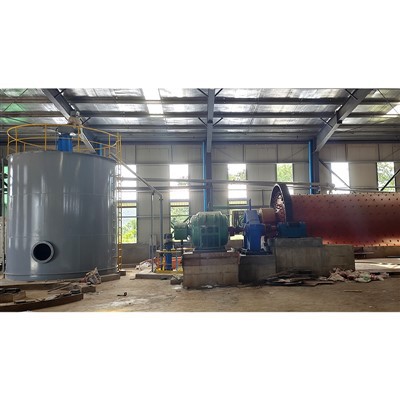
If you’re interested in learning more about our fiber cement board lines, or have questions about adjusting production for moisture-resistant panels, feel free to reach out and start a conversation about your specific needs.
Calcium Silicate Board Production Line References:
- American Society for Testing and Materials (ASTM) Standard C1186, Standard Specification for Flat Fiber-Cement Siding and Panel Products
- National Association of Home Builders (NAHB) Research Center, “Moisture Resistance of Fiber Cement Building Products”
- International Code Council (ICC) Evaluation Service Report (ER-2552), Fiber Cement Wall Panels for Interior and Exterior Applications
Address: Jinzhou Circular Industry Park, Jinzhou City, Shijiazhuang City, Hebei Province, China
E-mail: xiangyijixielucia@yeah.net
WebSite: https://www.shineyemach.com/
