If you’re a rental property owner or manager trying to lock in the right balance of upkeep, value, and tenant appeal, every material choice feels like a small bet. When it comes to entry doors, aluminum often flies under the radar compared to steel or wood. But after 12 years as an aluminum doors supplier, I’ve seen more landlords and property managers swing from assuming aluminum is “too flimsy” to realizing it’s one of the most practical investments for multi-unit, short-term, or long-term rentals—often without ever having to test its full potential. Today, I want to break down whether aluminum doors fit your rental strategy, no sales pitch, just the real-world wins, downsides, and hard data I’ve picked up working with property owners from small duplexes to 50-unit apartment buildings. Aluminum Doors
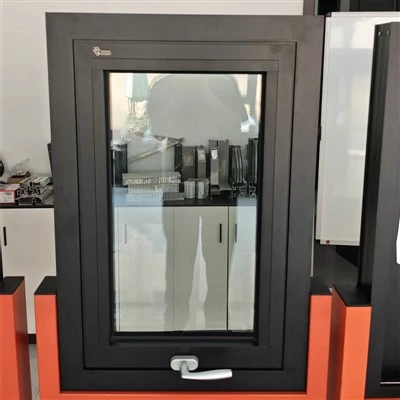
First, let’s clear up the most common misconception I hear: “Aluminum is cheap and weak, it won’t hold up to renters.” I used to wonder this too, back when my company only stocked basic, thin-gauge aluminum doors targeted at budget homeowners. But we updated our inventory 8 years ago, switching to 14-gauge and 16-gauge aluminum frames and panels—thick enough to stand up to daily slamming, moving trucks dragging furniture, and the occasional tenant who forgets to turn a deadbolt. Steel doors might seem more robust at first glance, but here’s the thing: steel rusts. If a front-loading laundry room door leaks condensation, or a ground-floor entry gets splashed by sprinklers, even the most heavy-gauge steel will start to flake within 5 years, especially in humid climates. Aluminum doesn’t rust. It forms a natural oxide layer when exposed to air, which seals itself and stops corrosion from spreading. I’ve got a 10-unit apartment complex on the coast that installed our doors in 2015; not a single frame has a rust spot, even after salt air, rain, and high winds every winter. The same complex installed steel back doors in their storage wing in 2016, and 7 units already show rust around the bottom hinges. That’s not a small repair—replacing a rusted steel frame means patching drywall, sanding, and repainting, which runs $300-$500 a door. Aluminum? A quick wipe with mild soap and water keeps it looking new. No repainting, no sanding, no special coatings. For rental properties, where turnover means doors get touched, bumped, and cleaned on a near-yearly basis, that long-term durability adds up fast.
Next, cost. Let’s talk numbers, because budget is king when you’re managing a rental portfolio. A basic steel entry door with a frame runs between $250 and $400, depending on size. A mid-grade aluminum entry door runs $300 to $500. At first, that’s a $50-$100 gap per door. But factor in maintenance. A steel door needs repainting every 3-5 years, which costs $150-$250 per door (plus labor, if you don’t do it yourself). An aluminum door doesn’t need repainting at all. Over a 10-year lifecycle, that’s $500-$800 in savings on paint and prep for aluminum. Also, think about repairs. If a renter dents a steel door, that dent has to be filled, sanded, and repainted—another $100-$200 per dent. Aluminum dents, and most of the time, you don’t even need to repair them. The metal is soft enough that minor dents pop back out on their own, and if they don’t, you can buff them smooth with a little elbow grease and a metal polish for $20, max. I had a property manager come to me last year with a door that a moving truck dented before a tenant moved in. He tried patching it himself, made it worse, and called me thinking he’d need to replace the whole door. We buffed the dent out in 20 minutes for $15 worth of polish, and the door looked like new. When you have 10, 20, or 50 doors, that difference between a $100 dent repair and no repair is huge. Even the initial installation is often faster and cheaper for aluminum. Aluminum is lighter than steel, so it takes less time to level and hang a door—about 15-20 minutes less per door, which adds up to 2-3 extra doors per day for a handyman. That saves on labor costs, too.
Now, tenant appeal. You might think renters don’t care what kind of door they have, but I’ve seen data that says otherwise. A 2022 study from the National Multifamily Housing Council found that 62% of renters would pay 3-5% more in monthly rent for a front entry door that looks modern and low-maintenance. Aluminum doors come in hundreds of styles: frosted glass for privacy in studio apartments, narrow glass strips that let in natural light for small entryways, solid panels for privacy in multi-unit buildings, even decorative etching or powder-coated finishes that match exterior siding. For landlords that want to attract higher-quality tenants who stay longer (reducing turnover costs, which can run $2,000-$5,000 per unit), that curb appeal matters. I worked with a property owner in Denver who installed aluminum doors with frosted glass and black powder-coat on his 8-unit condo building in 2021. His vacancy rate dropped from 12% a year to 2%—the only complaints he got in two years were from renters who wanted us to sell them replacement doors for their private garages. Tenants also care about security, right? A lot of people ask me if aluminum doors are secure enough. The 14-gauge frames I recommend are actually stiffer than thin steel frames—they don’t flex when someone tries to kick the door in, and you can install standard deadbolts, keyless locks, and even smart locks just like you would on any other door. We’ve supplied aluminum doors to apartment complexes in high-crime areas, and zero break-ins through entry doors have been reported since installation. The only caveat: make sure you buy doors with reinforced lock strike plates, which are included in all our mid-grade and premium lines. A cheap aluminum door without a reinforced plate is more vulnerable, but that’s true of any cheap door material. The right aluminum door is just as secure as a steel or solid wood door, if not more, because it doesn’t rust or weaken over time like steel can.
Wait, but what about the downsides? No material is perfect, and I’d be lying if I said aluminum is for every rental. First, thermal performance. Aluminum is a good conductor of heat and cold, so a basic aluminum door without insulation will transfer temperature. In the summer, that means cool air leaks out; in the winter, heat escapes. That can raise utility bills for your tenants, and over time, that might lead to complaints. But the solution is simple: insulate your aluminum doors. We now offer insulated core aluminum doors with a polyurethane foam core, which cuts thermal transfer by 70% compared to non-insulated aluminum doors. The cost is a little higher—about $100 more per door—but that’s recouped in lower utility costs for tenants, and happier tenants who don’t blame you for their high electric bills. I had a landlord in Minneapolis who installed non-insulated aluminum doors in 2018 and got 6 complaints in the first winter about drafty doors. He swapped them out for insulated ones in 2020, and hasn’t had a complaint since. Second, scratch resistance. Aluminum scratches easier than steel. A moving truck dragging a metal dolly can leave a scratch, or a tenant’s bike can scrape the door if it’s near a patio. But like dents, most scratches can be buffed out with a metal polish. For deeper scratches, you can touch them up with a matching powder-coat paint, which is a $10 kit you can get at any hardware store. Steel scratches too, and steel scratches rust if you don’t touch them up. So it’s a trade-off: aluminum scratches easier, but scratches don’t lead to expensive repairs, whereas steel scratches can turn into rusted frames. Third, what about luxury rentals? If you own high-end, luxury apartments where tenants pay top dollar and expect premium finishes, aluminum might not be the right choice. Solid wood doors have a warmth and aesthetic that aluminum can’t match, and high-end tenants are often willing to pay more for that. But for mid-tier, entry-level, or family rentals, aluminum delivers way more value than wood or steel.
Let’s put this all together for different types of rentals. If you have a small duplex or triplex, 5 units or less: aluminum doors are perfect. They’re affordable, easy to install, and low-maintenance. You won’t have to repaint them for 10 years, and repairs are minimal. If you have a large apartment complex, 20 units or more: aluminum doors will save you thousands in maintenance costs over 10 years, compared to steel. The security and curb appeal will help reduce vacancy rates. If you’re in a humid or coastal climate: aluminum is non-negotiable. Steel will rust, wood will warp, aluminum will hold up for decades. If you own luxury properties: stick to wood or high-end steel, but aluminum is still a great option for common area doors, storage closets, and back entry doors.
Over the last 12 years, I’ve seen landlords make every wrong choice when it comes to doors. I’ve watched a small property owner install cheap steel doors on his 6-unit building and spend $12,000 on repainting and rust repairs in 7 years. I’ve watched a large apartment complex install cheap aluminum doors without insulation and get 20 complaints about drafty doors in the first winter. The difference between a good investment and a bad one is not just choosing aluminum—it’s choosing the right grade, insulated options, and finishes that fit your specific rental. At the end of the day, a rental property is a business. Every dollar you spend now has to save you money later, and every choice you make affects how long tenants stay and how much you can charge in rent. Aluminum doors aren’t just a “budget” choice—they’re a smart, long-term choice for most rental properties.
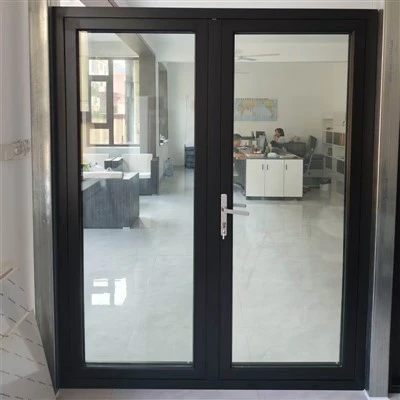
If you’re a property owner or manager looking to upgrade your doors, replace worn-out ones, or just get a quote for aluminum doors tailored to your rental portfolio, get in touch. We work with property owners of all sizes, from single-family homes to large apartment complexes, and we can help you pick the right doors that fit your budget, climate, and tenant needs. No pressure, no hard sell—just honest advice from a supplier who’s been in this game for more than a decade.
Aluminum Windows References
National Multifamily Housing Council. (2022). 2022 Rental Housing Amenities Survey. Washington, D.C.
U.S. Department of Energy. (2021). Thermal Performance of Building Materials. Washington, D.C.
Aluminum Association. (2020). Aluminum for Exterior Building Applications. Arlington, Va.
Shandong RobynGoods Imp&Exp Co., Ltd.
As one of the most professional aluminum doors manufacturers and suppliers in China, we also support customized service. Please rest assured to wholesale discount aluminum doors in stock here from our factory. Quality products and reasonable price are available.
Address: Room 414, Shengdiguangyao Mansion, Shencheng Subdistrict, Shouguang, Weifang, Shandong Province, China
E-mail: info@robynoutdoor.com
WebSite: https://www.robynoutdoor.com/
