Hey there, Protective Steel Plate
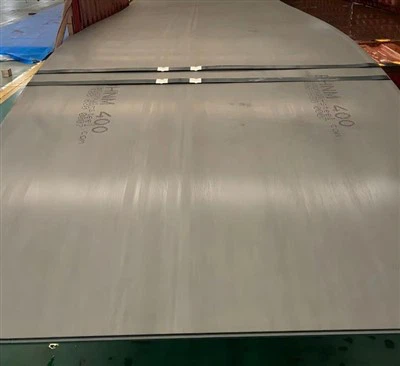
If you’ve ever worked in construction, mining, agriculture, or even shipbuilding, you know how much of a pain constant wear and tear can be. I’ve been selling protective steel plates for over 8 years now, and the number one question I get from guys in those industries isn’t about thickness or price—it’s “How long will these plates actually hold up?” Today, I’m breaking down the abrasion resistance of protective steel plates in plain English, no stuffy lab jargon that makes your eyes cross.
First off, let’s get one thing straight: abrasion resistance isn’t a one-size-fits-all number. It depends on what you’re throwing at the plate, how hard that thing is, and even how fast it’s moving. I’ve seen guys use the same plate in a gravel pit and a grain silo, and get totally different lifespans—so context matters a lot. Let’s start with the basics: what even causes abrasion? There’s two main types I deal with daily: adhesive abrasion (when two surfaces stick and rub together) and abrasive abrasion (when hard particles like gravel, ore, or sand scrape across the plate). That second one is the big killer for protective steel.
Now, when we talk about how we measure abrasion resistance, most folks use something called the Abrasion Test (or sometimes the Taber Abraser, which is a common tool labs use). From what I’ve seen, a lot of suppliers will throw out a “millions of cycles” number, but that’s useless unless you know the test conditions. Our plates get tested at 10,000 cycles with a 1kg load of standard sand—something that mimics real-world gravel. On that test, our high-abrasion plates lose less than 0.1 grams of material. Compare that to regular carbon steel, which usually loses 0.5 grams or more. That’s a huge difference, right? But here’s the thing: that test is controlled. In your actual job site, if the gravel is bigger, moving faster, or has sharp edges, that weight loss number will go up. I always tell customers to take those test numbers with a grain of salt (pun totally intended) and tell us what they’re actually putting through their equipment.
So what makes one protective steel plate more abrasion-resistant than another? Three big factors: the steel’s hardness, its microstructure, and any surface treatments we do. Let’s talk hardness first—Rockwell C hardness is the standard, and our top-tier protective plates are around 55-60 HRC. Wait, I know what you’re thinking: “Is harder always better?” Not exactly. If you go too hard (like 65 HRC), the steel gets super brittle and can crack if you hit it with a big rock or something. That’s a common mistake I see new customers make—they ask for the hardest plate we have, then complain when it breaks during installation. Balance is key. Our medium-abrasion plates are around 45-50 HRC, which are softer but more flexible, perfect for things like grain chutes where you don’t have big impacts, just constant rubbing.
Next is microstructure. Protective steel isn’t just regular steel with a bunch of extra stuff added. We work with alloys like chromium, molybdenum, and nickel to change how the atoms are arranged. Our high-abrasion plates have a martensitic microstructure— that’s the hard, tight structure that resists scraping. Think of it like a wall made of small, tightly packed bricks vs. loose ones. The martensitic wall doesn’t let the gravel pry off pieces of the plate as easily. Regular carbon steel has a ferritic microstructure, which is softer and more open, so it wears away way faster. I’ve had a customer who switched from our martensitic plate to a regular plate for a conveyor chute, and within 3 months the regular one had holes. Ours lasted over a year—same job, same material moving, just different steel.
Surface treatments also play a role. We offer two main surface options: as-rolled and chrome-plated (wait, not the cheap decorative chrome—hard chrome, which is way thicker and harder). Hard chrome plating adds another 0.05mm of super-hard material on top of the steel. For applications where particles are super sharp, like cutting edge on a bulldozer blade, that extra layer can double the lifespan. But again, caveat: if you’re dealing with high impact, hard chrome can flake off if the plate bends too much, so we don’t recommend it for areas that flex.
Now, let’s get real about real-world performance. A lot of customers ask, “How many months will this plate last?” and I hate giving a vague answer, but that’s the truth— it depends. I had a mining customer last year who put our 55 HRC protective plates on their ore haulage chute. They move 50 tons of iron ore a day, which is super dense and sharp. The plates lasted 14 months before they needed replacement. Another customer, a farmer who uses our 48 HRC plates on his grain augers, told me they’ve been on for 3 years and still look almost new. That’s not because our steel is magic—it’s because we matched the right plate to their specific use case.
Here’s another thing that’s often overlooked: installation and maintenance. Even the best abrasion-resistant plate will wear out fast if you install it wrong. I’ve seen a customer who skipped the gaskets between plates, so dirt and moisture got in behind, causing corrosion that made the plate wear way faster than it should. Or if you weld the plate wrong—too much heat can mess up the hardness in the weld zone, which is a weak point. We always walk customers through installation tips, like using stainless steel fasteners and avoiding excessive heat when welding, because that adds years to the lifespan.
Wait, let’s address a common myth: “Wear plates don’t need to be replaced, ever.” No way. Everything wears, it’s just a matter of how fast. Even our top-of-the-line plates will eventually get worn down enough that they need replacement. The goal is to extend that time as much as possible, which saves you money on downtime, labor, and materials. I talk to guys every week who used cheap plates from overseas that wore out in 2 months, so they spent more money replacing them over a year than if they’d bought our plates once. That’s a mistake I want customers to avoid—short-term savings end up costing more in the long run.
What about different types of protective steel? We have three main lines for abrasion: AR400, AR500, and our new Extreme Abrasion (XA) line. AR400 is our entry-level, around 40 HRC, great for light abrasion like grain, mulch, or light gravel. AR500 is the workhorse, 50-55 HRC, perfect for most mining, construction, and aggregate jobs. The XA line is our premium, 58-60 HRC, for the super tough stuff—iron ore, silica sand, heavy rock. I remember a quarry that switched from AR500 to XA on their crusher feed hopper. They were replacing AR500 every 8 months, XA is going on 18 months now. That’s a game-changer for them because they don’t have to shut down production as much to swap plates.
Let me also mention something called “wear rate.” That’s the official way to measure how fast a plate wears, usually in mm per year. AR400 has a wear rate of about 0.8 mm per year for light abrasion, AR500 is around 0.3 mm per year, and XA is less than 0.2 mm per year. That’s a concrete number (pun again, sorry) that you can use to plan your replacements. If your job needs a 5mm plate, AR400 will last about 6 years, AR500 around 16 years, XA over 25 years. That’s a huge difference when you’re budgeting for equipment upkeep.
I’ve learned a lot over the years talking to customers and testing our plates in real jobs. The biggest takeaway I can give is this: abrasion resistance isn’t just about hardness. It’s about matching the plate’s hardness, microstructure, and surface treatment to your specific application. If you use a too-hard plate in a low-impact job, you’re wasting money on extra brittleness you don’t need. If you use a too-soft plate in a high-abrasion job, you’ll be replacing it every couple months.
A lot of suppliers will just push their most expensive plate, but I don’t do that. I ask customers questions: What material are you moving? How fast is it moving? Is there any impact? Do you need flexibility or rigidity? Then I recommend the plate that will give them the best return on investment, not the most expensive one. That’s why we have so many repeat customers—they know we’re looking out for their bottom line, not just making a sale.
One more thing: when you’re shopping for protective steel plates, don’t be afraid to ask for test results. A lot of sketchy suppliers will make up numbers, but real labs have verified data. We send all our plates for third-party testing, and we’re happy to share those results with anyone who asks. I also encourage customers to order a small sample first to test on their actual equipment before buying a whole batch. That way you can see for yourself how it holds up, no guesswork.
At the end of the day, protective steel plates are an investment. If you’re tired of dealing with constant wear, frequent replacements, and lost production time from swapping plates, it’s worth getting the right one for your job. I’ve seen customers save tens of thousands of dollars a year just by switching from cheap, low-abrasion plates to the right one from us.

If you’re curious about which plate is best for your specific application, or you want to talk through your wear issues, hit us up to discuss your needs. We can send samples, share test data, and help you figure out a solution that fits your budget. Don’t let abrasion slow you down—let’s find the right protective steel plate for your job.
Sub-sector components References
ASM International. (2020). Abrasion Resistance of Steel. Metallurgy Division Handbook Series.
National Association of Corrosion Engineers (NACE). (2019). Protective Coatings and Steel Performance in Industrial Applications.
The Fabricator. (2021). Choosing Abrasion-Resistant Steel for Heavy Equipment. Manufacturing Industry Resource Guide.
Shandong Baohua Abrasion Resistant Steel Co., Ltd.
Address: 2nd Gongye Road, Lanshan Economic Development Zone , Linyi City,Shandong Province, China
E-mail: baohuasteelmkt@gmail.com
WebSite: https://www.baohua-steel.com/
