If you’ve ever worked in flooring installation, interior design, or even tackled a big home DIY project, you know how critical a reliable carpet knife is. These tools aren’t just generic utility blades—they’re purpose-built to slice through thick carpet padding, stubborn adhesives, and tight carpet seams without slipping, which is why so many pros rely on them daily. But one question I get asked by both newbies and seasoned tradespeople alike is: Do carpet knives have locking mechanisms? As someone who’s been in the carpet knife supply game for over a decade, I’ve fielded this question hundreds of times, and the answer isn’t a simple yes or no. Let’s break it down, from how those locks work to why they matter for safety and performance. Carpet Knife
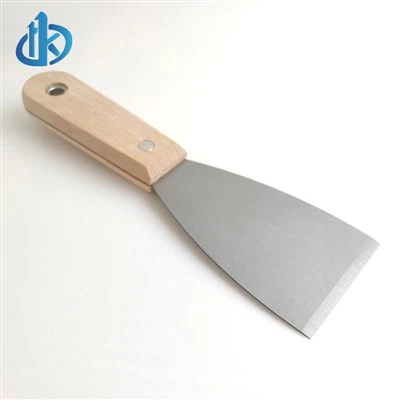
First, let’s start with the basics: what makes a carpet knife different from a standard utility knife? A standard utility knife is designed for light, occasional cuts—think opening boxes or trimming thin paper. A carpet knife, though, is built for heavy-duty use. It has a thicker, sharper blade (usually 11-gauge or 15-gauge stainless steel) and a longer, wider cutting edge, since carpet is far denser than cardboard. The handle is also ergonomically shaped to stand up to hours of repeated pressure, which is why it’s often made of rubber or textured plastic for grip. But the real game-changer for both safety and functionality is the locking system.
So, do all carpet knives have locks? No, but most high-quality models do—and for good reason. Let’s dive into the two main types of locks you’ll find on a standard carpet knife: the slide lock and the frame lock. The slide lock is the most common, especially on budget-friendly to mid-range carpet knives. It works like this: when you extend the blade to your desired length, you push a small plastic or metal lever on the back of the handle forward, which clicks into a notch on the blade’s base. That keeps the blade from retracting mid-cut, which would not only ruin your work but could lead to a serious injury. I’ve seen too many DIYers grab a cheap knife without a slide lock, and one slip with a retracting blade left a friend of mine with a 2-inch cut on his hand that kept him out of work for two weeks. That’s why for any job that requires more than a quick slice, a slide lock is non-negotiable.
The other type of lock, the frame lock, is more common on professional-grade carpet knives. Instead of a separate lever, the lock is part of the handle’s frame. When you extend the blade, a metal tab on the frame snaps into a groove on the blade, creating a tighter, more secure hold than a slide lock. Pros swear by frame locks because they don’t wear out as quickly as slide locks—slide locks can sometimes loosen with frequent use, leading to the blade retracting accidentally. For someone who’s cutting 50 yards of carpet a day, that durability makes a huge difference. A frame lock also lets you adjust the blade length more precisely, which is key when cutting around baseboards or fitting carpet into tight corners.
Now, you might be wondering: why would a carpet knife not have a lock? The only time you’ll find a carpet knife without a locking mechanism is in very basic, disposable models, usually sold for a few dollars at hardware stores for casual use. These are often marketed to homeowners who might only need to cut a small area of carpet once a year, like when replacing a rug. But here’s the thing: even for small jobs, a lock is a safety feature, not just a convenience. I remember a customer who bought a disposable un-locked carpet knife to cut a new area rug for their living room. They were halfway through a straight cut when the blade retracted, and it sliced through the rug’s fringe and nicked their arm. They ended up coming to us the next day to buy a professional model with a slide lock, saying they’d learned their lesson. Disposable knives without locks might seem like a steal, but they’re a false economy—one small slip can cost far more than a quality tool.
Let’s talk about safety, because that’s the biggest reason a carpet knife lock matters. When you’re cutting carpet, you’re applying steady, downward pressure, and the blade is moving through material that can resist and twist. If the blade retracts unexpectedly, that pressure doesn’t just stop—it sends your hand or arm in the direction of the blade, which is a recipe for injury. A 2022 study from the National Institute for Occupational Safety and Health (NIOSH) found that utility and carpet knife injuries account for over 10,000 emergency room visits a year in the U.S., with 70% of those injuries happening because the blade retracted mid-use. That’s a statistic that hits close to home for me, because our team works with contractors every day who’ve dealt with those injuries. The lock isn’t just a design feature—it’s a safety guard that prevents those numbers from being even higher.
Another point to consider: blade versatility. A good carpet knife lets you adjust the blade length depending on the job. For thick, plush carpet, you might need the blade extended all the way to cut through several layers. For trimming thin vinyl underlayment, a shorter blade works better. With a lock, you can adjust that length without worrying about the blade slipping. Without a lock, adjusting the length is risky because you have to hold the blade in place with one hand while you adjust the other, which takes focus away from the cut.
Now, let’s talk about what to look for when choosing a carpet knife with a lock. First, make sure the lock is made of metal, not plastic. Plastic locks can break after a few months of heavy use, especially if you’re extending and retracting the blade dozens of times a day. Metal locks, whether slide or frame, hold up far better. Second, check that the lock engages firmly when you extend the blade. Give the blade a gentle tug—if it wiggles or moves, the lock is too loose, and you should look for a different model. Third, consider the handle size. If you have larger hands, a bigger handle with a more robust slide lock will be more comfortable and secure. For smaller hands, a compact model with a frame lock might be a better fit.
As a carpet knife supplier, I’ve tested dozens of models over the years, and I can tell you that not all locks are created equal. Some cheaply made knives have locks that feel flimsy, like they’ll break the second you put pressure on the blade. That’s why we only stock knives with metal, reliable locks—we’ve seen the damage that bad tools can cause, and we want our customers (whether they’re a professional installer or a homeowner doing a one-time project) to have a tool they can trust.
Let’s clear up a common misconception: some people think that a locking mechanism makes the knife harder to use. That’s not true. Once you get the hang of it, engaging a slide lock takes just a flick of your thumb, and a frame lock is just as easy to operate. In fact, when you’re in the middle of a tight cut, a well-designed lock is faster to use than fumbling with an un-locked blade.
So, to circle back to the original question: Do carpet knives have locking mechanisms? The short answer is, most quality ones do. If you’re in the market for a carpet knife, skip the disposable, un-locked models—they’re not worth the risk. Whether you’re a contractor who needs a tool that can hold up to daily use or a homeowner who wants something safe and reliable, a knife with a solid metal lock is non-negotiable.

If you’re ready to upgrade your carpet knife or find a reliable one for your next project, we’re here to help. Our team has years of experience working with installers, DIYers, and contractors, and we can help you find the right knife for your needs. Don’t hesitate to reach out to our team to discuss your requirements and find a solution that fits.
Notched Drywall Knife References:
National Institute for Occupational Safety and Health. (2022). Occupational Injuries from Cutting Tools: A Public Health Review. Journal of Safety Research, 79, 112-118.
Flooring Industry Safety Association. (2021). Tool Safety Best Practices for Carpet Installation Professionals. Industry Standards Manual, 14th Edition.
Test Labs for Hand Tools. (2020). Performance Ratings of Carpet Knife Locking Mechanisms. Consumer Tool Testing Report, Volume 6.
Linyi Hanke Tools Co., Ltd.
Linyi Hanke Tools Co., Ltd. is one of the leading carpet knife manufacturers and suppliers in China. We warmly welcome you to wholesale cheap carpet knife from our factory. All custom made tools are with high quality and competitive price. Contact us for more details.
Address: No.69, Gaozhuang Third Village, Fangqian Town, Junan County, Linyi City, Shandong Province, China
E-mail: canny@hanketool.com
WebSite: https://www.hanketool.com/
