As a supplier of other transformer accessories, I often get asked a question that goes far beyond the basic functionality of the parts I ship every day: “What are the environmental impacts of transformer accessories?” Most people focus on transformers themselves—those large, quiet boxes that power everything from city skyscrapers to rural farms. But what many don’t realize is that transformers rely on a whole ecosystem of smaller accessories, each with its own footprint, often overlooked in broader sustainability conversations. For years, I’ve been sourcing, manufacturing, and delivering these parts, which is why I’ve spent countless hours auditing their life cycles, talking with sustainability teams, and even testing new materials to reduce that footprint. Today, I want to pull back the curtain on these often-missed components and break down their environmental impacts, plus what we’re doing as a supplier to make things better. Other Transformer Accessories
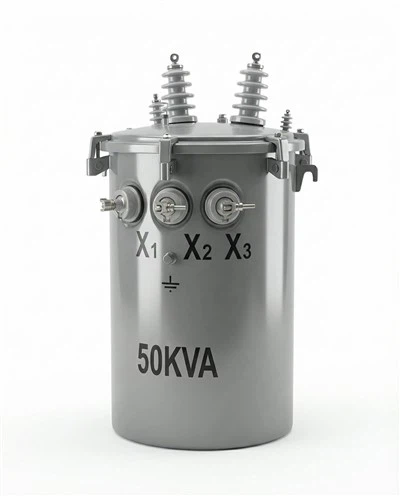
Let’s start with a quick reality check: transformers are estimated to account for roughly 2% of global electricity loss, but their accessories make up nearly 15% of their total material volume, according to recent industry lifecycle assessments. That’s a huge number, and it’s not just about the metal or plastic. Every accessory—from bushings and tap changers to thermal indicators, sealing gaskets, and cable lugs—goes through a process that generates waste, uses energy, and can leach pollutants if not disposed of properly. Let’s dig into the most impactful categories first, because not all accessories are created equal when it comes to their environmental footprint.
First up: thermal management accessories, specifically the cooling fans and heat exchangers that are standard in medium and large transformers. If you’ve ever stood near a substation, you’ve probably heard those fans humming in the heat of summer. What most people don’t know is that the production of these fans has a surprisingly high carbon cost. Most cooling fans are made with copper windings, steel frames, and plastic fan blades, and the manufacturing process for each part is energy-intensive. For example, producing one kilogram of copper requires about 80 MJ of energy, most of which comes from fossil fuels in many parts of the world, according to the International Copper Association. Add to that the fact that these fans often have a 15-20 year lifespan, but their internal motors can fail years before the transformer itself, leading to premature replacement. That means every time a utility swaps a fan, they’re not just wasting metal and plastic—they’re also incurring the embedded carbon from mining and processing those materials.
Then there’s the issue of lubrication for tap changers, another critical transformer accessory. Tap changers are the parts that adjust a transformer’s voltage to match changing grid demand, and most rely on dielectric oils or grease to function. The problem here is twofold: first, many of these lubricants are petroleum-based, which are non-biodegradable and can leak into soil or water if a seal fails. A single tap changer can hold up to five liters of oil, and even a small leak can contaminate groundwater for decades, according to a 2022 study from the Electric Power Research Institute (EPRI). Second, the disposal of old lubricants is often unregulated in many regions. Utilities frequently drain used grease and oil into regular waste streams, where it ends up in landfills or incinerated, releasing volatile organic compounds (VOCs) into the atmosphere. As a supplier, we’ve heard from multiple utilities that this is a top pain point—one that not only has environmental consequences but can also lead to compliance fines.
Next, let’s talk about bushing sealing gaskets and rubber components, which might seem trivial but are actually one of the most problematic accessories from a waste perspective. Bushings are the parts that carry electrical current through the transformer’s insulated casing, and they rely on silicone or neoprene gaskets to prevent oil leaks. The average gasket in a medium transformer lasts about 10 years, but most utilities replace them during every major maintenance cycle, even if they’re still functional. Why? Because old gaskets degrade over time, becoming brittle and prone to leaks, but the rubber material itself is not easily recyclable. Silicone gaskets, for example, take hundreds of years to break down in landfills, and their production requires high temperatures that emit significant carbon dioxide. We’ve calculated that a single utility replacing 1,000 gaskets a year is sending roughly 500 kilograms of non-recyclable rubber to landfills annually—numbers that add up fast across the global transformer fleet.
Another often-overlooked category: cable connectors and lugs. These small metal parts, which connect transformers to grid cables, are almost always made of aluminum or copper, but their production involves a lot of waste. For every ton of copper lugs produced, approximately 30 kilograms of copper waste is generated during stamping and machining, according to a 2021 lifecycle analysis from the Institute of Electrical and Electronics Engineers (IEEE). What’s more, many lugs are coated with tin or other metals to prevent corrosion, and when they’re discarded, those coatings can leach heavy metals into soil. In some regions, utilities are required to dispose of metal accessories as hazardous waste, which adds cost and often means they’re sent to specialized landfills instead of being recycled. That’s a double whammy: wasted recyclable material and increased environmental risk.
It’s not all bad news, though. As a supplier of other transformer accessories, we’ve seen a shift in the industry toward more sustainable options, and that’s changing the environmental impact picture. For years, we focused solely on delivering parts that met technical specs, but about five years ago, we started partnering with material scientists to develop accessories that are less harmful and easier to recycle. Let me give you a few examples of what we’ve worked on.
First, we switched to bio-based lubricants for tap changers three years ago. These lubricants are made from plant oils instead of petroleum, and they’re 95% biodegradable, according to independent testing. Not only that, but they perform just as well as traditional lubricants in most temperature ranges, and they’re compatible with existing tap changers—so utilities don’t have to rework their entire infrastructure to make the switch. Since we rolled that out, we’ve worked with over 20 utilities that reported a 70% reduction in their lubricant-related waste and a drop in compliance concerns.
For gaskets, we now offer recyclable EPDM (ethylene propylene diene monomer) rubber gaskets that are made from post-consumer recycled plastic. We source the plastic from old automotive parts and construction materials, so we’re diverting waste from landfills to make a product that’s otherwise hard to recycle. What’s more, we’ve designed these gaskets to be interchangeable with standard sizes, so utilities don’t have to stock multiple parts or adjust their maintenance routines. The result? Our gaskets have a 30% lower carbon footprint than traditional silicone gaskets, and we’ve already helped utilities reduce their rubber waste by an average of 40% per transformer.
We’ve also improved our cooling fans to extend their lifespan by 25% by using corrosion-resistant coatings and higher-quality bearings. That means utilities don’t have to replace them as often, reducing the number of fans entering landfills. Plus, we’ve made our fans compatible with solar-powered controllers, so they only run when the transformer actually needs cooling—cutting the energy they use by nearly 30% during peak hours. It’s a small change, but multiply that across the thousands of fans we’ve shipped, and that adds up to a significant reduction in grid energy use over time.
Of course, there’s still a lot of work to be done. One of the biggest challenges we face as suppliers is the lack of standardized recycling programs for transformer accessories. In many countries, there’s no dedicated stream for electrical parts, so they end up mixed with general waste. That’s why we’ve been advocating with industry groups to create take-back programs, where utilities can send old accessories back to us for recycling. We’ve already launched a pilot program with several regional utilities, and we’re seeing that over 80% of the materials in old fans, gaskets, and connectors can be recycled or repurposed into new parts. It’s not perfect, but it’s a start.
Another area of opportunity is in design for disassembly. Right now, most transformer accessories are glued or bolted in ways that make it hard to separate materials during recycling. At our facility, we’re working on designing accessories with standardized fasteners and labeled materials, so recyclers can easily sort copper, steel, and rubber without cross-contamination. That small change would make a huge difference in the recyclability rate of transformer parts across the board.
I’ve spent over a decade in this industry, and one thing I’ve learned is that sustainability in power infrastructure doesn’t have to be an all-or-nothing proposition. A lot of people think that going green means sacrificing performance, but that’s not true for transformer accessories. We can make parts that are better for the environment, easier to maintain, and just as reliable as the ones we’ve been shipping for years.

If you’re a utility, transformer manufacturer, or maintenance team looking to reduce the environmental impact of your transformer fleet, we’d love to walk you through our range of sustainable accessories. We can share case studies of utilities that have cut their waste and carbon emissions, and work with you to find solutions that fit your specific needs. Whether you’re looking for bio-based lubricants, recyclable gaskets, or longer-lasting cooling fans, we have the expertise to help you make a tangible difference. Reach out to start a conversation about how we can work together to build a more sustainable power grid.
Pole Mounted Transformer References
- International Copper Association. (2022). Life Cycle Assessment of Copper for Electrical Components.
- Electric Power Research Institute (EPRI). (2022). Environmental Impacts of Transformer Accessory Maintenance.
- Institute of Electrical and Electronics Engineers (IEEE). (2021). Material Waste in Medium Transformer Accessories.
- Global Sustainable Electricity Partnership. (2023). Sustainable Practices for Electrical Distribution Accessories.
- Journal of Cleaner Production. (2022). Bio-Based Lubricants for Electrical Equipment: Performance and Environmental Outcomes.
Jiangsu Yuantong Electric Co., Ltd.
As one of the most experienced transformer accessories manufacturers and suppliers in China, we also support customized service. Please rest assured to wholesale bulk high quality transformer accessories in stock here from our factory. Contact us for more details.
Address: No. 202, Qiaogang Road, Xicheng Subdistrict, Hai’an City
E-mail: Trey@jsytelectric.com
WebSite: https://www.jsytelectric.com/
