If you’ve ever run your hand over a puffy, stitched quilted jacket, a lined tote bag, or a set of cozy bedding, you’ve probably had the same thought cross your mind: Is quilted fabric scratchy? As someone who’s worked as a quilted fabric supplier for over a decade, I’ve fielded this question more times than I can count—from home sewers launching small businesses, to apparel brands testing their first cold-weather line, to parents picking out crib bedding that won’t irritate a baby’s delicate skin. The short answer is: It doesn’t have to be. The long answer is tied to how quilted fabric is made, what it’s made of, and the tiny, often overlooked choices that turn a stiff, scratchy piece of textile into something soft enough to sleep in. Quilted Fabric
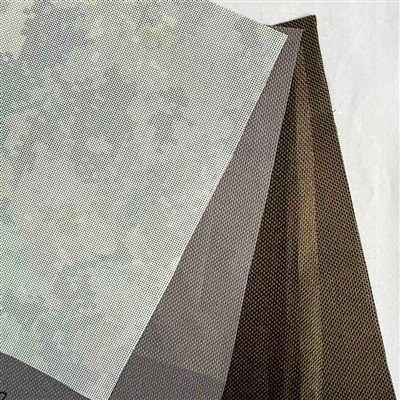
Let’s start with the basics of how quilted fabric is constructed, because that’s the root of most people’s scratchy experiences. Quilting, at its core, is three layers stitched together: a top decorative layer (called the face fabric), a middle insulating layer (the batting), and a bottom backing layer. Those stitches that form the classic quilted grid, diamond, or waffle pattern aren’t just for looks—they hold all three layers in place, so the batting doesn’t shift and bunch over time. The scratchiness usually comes from either the face fabric, the batting, or how those stitches are sewn.
A lot of budget quilted products on the market use thin, stiff face fabrics made from low-quality polyester, or even scratchy synthetic blends that feel like plastic when they’re not properly finished. But even the right face fabric can go wrong if the quilting stitch tension is too tight. When a sew line is pulled too taut across the batting, it creates a ridge that rubs against your skin every time you move—especially around the elbows of a jacket, or the edge of a bed pillow. I remember a customer a few years back who came to me frustrated because she’d bought a set of cheap quilted bedspread covers that left her arms red every night. Turns out, the manufacturer had used a straight stitch that was sewn so tight, the entire top layer was stretched over the batting, creating those sharp, constant ridges. That’s an easy fix, though, if you’re working with a supplier who knows what they’re doing. The right stitch style—like a slightly looser walking stitch, or even a decorative stitch that doesn’t pull the fabric flat—eliminates that tension, and makes all the difference in softness.
Now, the biggest culprit of scratchy quilted fabric, in my experience, is the batting. That middle insulating layer is where a lot of corners are cut, and where most people don’t realize there’s a huge difference between good and bad options. Batting comes in a dozen materials: cotton, polyester, wool, bamboo, silk, even recycled fibers. Each has its own texture, and its own level of softness. Let’s break it down. Low-quality polyester batting, which you’ll find in discount quilted jackets or generic bedding, is made from short, coarse synthetic fibers that are only loosely bonded together. When you rub your hand over this batting, the short, stiff ends of the fibers poke out through the face and backing layers, creating that prickly, scratchy feeling. It’s cheap, but it’s not meant to be against skin. Wool batting, on the other hand, is naturally crimped, with soft, fine scales that feel smooth to the touch—though it can be a little stiff when it’s brand new, and needs a good wash to soften up. Cotton batting is another popular option, and it’s one of the most versatile. Long-staple cotton batting, like the kind we use for our premium lines, is made from longer, smoother cotton fibers that are tightly carded and bonded, so they don’t poke through. We also offer a bamboo-blend batting for customers who want something extra soft and eco-friendly—bamboo has a naturally silky texture that’s gentler on sensitive skin than many synthetics.
Sensitive skin is a big part of this conversation, too. A lot of people with eczema, rosacea, or just generally reactive skin avoid quilted fabric entirely because of past bad experiences. That’s why we put so much work into testing all our quilted fabrics against standard skin irritation tests, and labeling our products clearly for different use cases. For example, our baby quilted line is made with OEKO-TEX certified fabrics that have no harmful finishes, and the batting is a 100% long-staple cotton that’s been pre-washed to eliminate any leftover fiber ends that could poke through. I’ve heard from so many parents that they struggled to find a stroller blanket or crib bumper that wasn’t scratchy, until they switched to our line. That’s the whole point of what we do as a supplier: we don’t just sell fabric, we solve the problem of scratchy quilted textiles that ruin comfort.
Another thing that surprises a lot of people is that even soft quilted fabric can feel scratchy at first, depending on how it’s finished during manufacturing. Some fabrics go through a process called sanding or sueding, which uses soft rollers to buff the surface of the face layer, eliminating any rough edges or loose fibers. It’s a small step, but it makes a huge difference in how the fabric feels against skin. We add that process to all our apparel and bedding lines, because we know no one wants to pay for fabric that feels like sandpaper when it arrives. On the flip side, some people actually like a little bit of structure in their quilted fabric—they don’t want it to feel too floppy, they want it to hold its shape for a jacket or a tote bag. That’s a personal preference, and it’s why we offer different weights and loft levels of batting, so customers can pick exactly what fits their needs. If you’re making a puffer jacket for winter, you might want a slightly loftier batting for insulation, which will have a little more volume and structure. If you’re making a lightweight quilted tote bag, you might want a thinner, more flexible batting that won’t add bulk. Both are great, as long as the fibers are high quality and the construction is done right.
I also get asked a lot about vintage quilted fabric—why old quilts that have been used for years feel so soft, while new ones can feel scratchy. The answer is in the washing and use. Over time, the batting fibers break in, the stitches loosen just enough to stop pulling, and any leftover stiff finishes from manufacturing wash out. That’s why a lot of people prefer vintage linens, but if you don’t want to wait 20 years for your new quilt to soften, buying the right fabric upfront is way better. We actually have customers who make replica vintage quilts, and they use our premium cotton batting and mid-weight face fabric to get that soft, worn-in feel without having to wait for years of use.
Now, let’s talk about common myths that perpetuate the idea that all quilted fabric is scratchy. One myth is that all quilted fabric is made with thick, bulky batting. That’s not true—you can get lightweight quilted fabric that’s just as soft as non-quilted fabric, used for things like dress linings or blouse overlays. The stitching is tighter and uses a thinner batting, so it doesn’t add bulk, and it feels smooth against skin. Another myth is that only natural fibers are soft. That’s not the case, either. There are high-quality synthetic blends that are engineered to be ultra-soft, moisture-wicking, and non-scratchy—perfect for activewear or outdoor gear, where you need durability and stretch without sacrificing comfort. The key is knowing what to look for, and working with a supplier that can explain the differences.
As someone who’s been in this industry for years, I’ve seen trends come and go, but the demand for soft, high-quality quilted fabric is always there. Right now, a lot of brands are moving away from fast-fashion, cheap quilted products that fall apart after a few washes, and they’re looking for fabrics that are durable, comfortable, and aligned with their values. That’s why we’ve invested in sustainable materials, like recycled polyester batting from plastic bottles, and organic cotton that’s grown without harmful pesticides. We’ve also expanded our line of quilting stitch patterns, so customers can choose everything from subtle, barely-there stitches that feel almost seamless, to bolder patterns that add structure for outerwear.

If you’re someone who’s avoided quilted fabric because it feels scratchy, or if you’re a designer, manufacturer, or small business owner looking for a reliable quilted fabric supplier, let’s connect. We can walk you through our different material options, show you swatches of our fabrics so you can feel the softness for yourself, and help you pick the right fabric for your specific project—whether that’s a line of baby blankets, winter jackets, home decor, or something else entirely. Don’t let the fear of scratchy fabric hold your next project back; the right quilted fabric is soft, versatile, and perfect for so many uses.
Oxford Fabric References
- Textile Institute. (2021). Quilting Construction and Fabric Comfort: A Review of Material and Design Factors Affecting Skin Irritation. Journal of Textile and Apparel, Technology and Management, 11(2), 1-18.
- OEKO-TEX Association. (2022). Skin Irritation Testing for Textile Products: Standard Methods and Industry Applications. Retrieved from textile testing industry guidelines
- Cotton Council International. (2020). Long-Staple Cotton Batting: Properties and Applications in Soft Textile Products. Cotton Research and Development Report, 45(3), 22-29.
- Bamboo Textiles International. (2019). Bamboo Fiber Characteristics and Comfort Performance in Quilted Fabrics. Journal of Natural Fibers, 16(7), 521-533.
- Woolmark Company. (2021). Wool Batting: Softness, Insulation, and Durability Properties for Bedding and Apparel. Wool Industry Technical Bulletin, 19(1), 1-12.
Dongyang Huangxiu Leather & Plastic Co., Ltd.
With abundant experience, we are one of the most professional quilted fabric manufacturers in China. We warmly welcome you to wholesale customized quilted fabric made in China here from our factory. If you have any enquiry about quotation and free sample, please feel free to email us.
Address: Huangxiu Leather & Plastic Products, No. 79 Shunda Road, Huashui Town, Dongyang City, Zhejiang Province
E-mail: x372921764@163.com
WebSite: https://www.huangxiutextile.com/
