Hey everyone, let’s cut to the chase—if you’re in the food, pharma, or even craft beverage space, you’ve probably had the “maltodextrin vs. honey” debate cross your desk a dozen times. As someone who’s been selling maltodextrin for over 8 years now (yeah, I’ve seen every random question from bakers swearing by honey to sports nutrition brands testing out different bulking agents), let’s break this down like we’re grabbing a coffee, no stuffy lab jargon, just straight facts that actually matter for your business. Maltodextrin
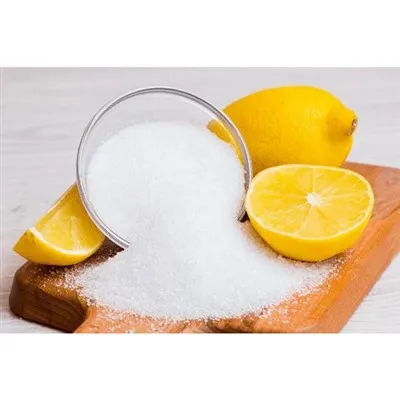
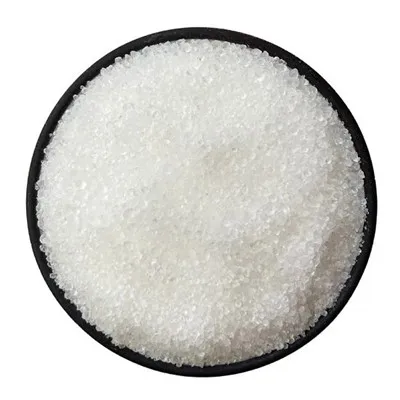
First, let’s get the basics out of the way so we’re all on the same page. Maltodextrin is a cheap, easily digestible carbohydrate powder we make by breaking down starch—usually corn, rice, or potato—with enzymes. It’s not a “artificial junk” like some people try to make it out to sound, by the way. Honey? That’s the stuff bees make from nectar, a mix of simple sugars (glucose and fructose) with trace bits of pollen, vitamins, and antioxidants. At first glance, they look like they’re in the same carb ballpark, but once you dig into the nitty-gritty, every detail changes depending on what you’re using ’em for.
Let’s start with functionality, because that’s what actually drives purchasing decisions. If you’re a brand looking to bulk up a product without changing the flavor or texture? Maltodextrin is your guy. I’ve had craft soda clients tell me they switched from honey to maltodextrin because honey adds that distinct, floral sweetness that clashes with their signature citrus flavor. Maltodextrin is totally neutral—tastes like… nothing, basically. It dissolves super fast too, which is a huge win for sports drinks or pre-workout mixes that need to mix instantly without clumping. Honey, on the other hand, is a liquid (or granulated, sometimes, but mostly sticky liquid) so it’ll throw off your formulation’s moisture content. If you’re making a powdered supplement, honey is basically a non-starter—you’ll end up with a big clumpy mess after a week on the shelf. That’s a problem no one wants to deal with, right?
Then there’s cost, which is one of the first questions I get from new leads. Honey is a luxury item. Let’s be real—bees make it, it’s seasonal, supply can get wonky if there’s a bad harvest or hive issues. I’ve seen honey prices jump 30% in a single year just because of droughts in major beehive areas. Maltodextrin? It’s made from staple crops that are grown year-round, so pricing stays consistent, and it’s way cheaper per gram. We’re talking like 1/3 the cost of honey for the same amount of carbs. For a bakery that uses 500lbs of sweetener a week? That adds up to thousands in savings annually. Don’t get me wrong—honey has its place, but if you’re scaling a product, cost stability is non-negotiable, and that’s where maltodextrin crushes it.
Now, let’s talk about digestion, because a lot of our clients in the sports nutrition space care most about this. Maltodextrin is a complex carb (well, technically it’s a polysaccharide, but it breaks down into glucose super quickly—like, faster than some simple sugars) that your body absorbs in the small intestine. It’s perfect for athletes who need quick energy mid-workout, no weird stomach cramping. Honey’s main sugars are glucose and fructose, so it’s also easy to digest, but here’s the catch: too much fructose can cause digestive issues for people with sensitive guts. I’ve had a couple of endurance runner clients tell me they switched to maltodextrin gels because honey would make them bloated on long runs. That’s not a knock on honey—its fructose content is the reason it’s good for things like tea or glaze, but for energy-focused products, maltodextrin’s consistent glucose load is hard to beat.
Wait, but what about the “natural” angle? That’s a big selling point for a lot of brands, right? I get it, consumers go crazy for “natural” labels. But let’s be honest here—most people don’t realize that maltodextrin is made from plant starch, which is totally natural. The enzyme process we use to break it down is just a food-safe, regulated process, nothing synthetic added. Honey is natural, sure, but it’s also 80% sugar by weight. If you’re using maltodextrin to cut down on added sugars in your product? Wait, no—maltodextrin is still a carb, but it’s a neutral one, so you don’t have to count that extra “natural” sugar from honey. For example, if you’re making a low-sugar protein bar, adding maltodextrin to bulk it up means you don’t have to add more honey (which would crank the sugar count way up). That’s a win for both your label and your nutrition facts.
Let’s also talk about shelf life, another thing I hear about all the time. Maltodextrin is a powder, so if you store it in a cool, dry place, it lasts for like 2-3 years without going bad. No spoiling, no fermentation, no weird smells. Honey is basically indefinite (seriously, archaeologists found 3000-year-old honey in Egyptian tombs that was still edible) but it can crystallize if it gets cold, and if you’re adding it to a product that has moisture, it can go bad faster—like 6-12 months, max, depending on the formulation. If you’re a brand that ships products around the world, shelf life consistency is key. Maltodextrin won’t change mid-transit, but honey might crystallize in the bottle or attract moisture from humidity, which ruins the product.
Now, when would you actually want to use honey instead of maltodextrin? Don’t get me wrong, I’m not here to bash honey. If you’re making a artisanal honey glaze, or a cold tea that’s supposed to have that floral, honey taste, go for it. Honey’s flavor profile is one of a kind, so it adds a sensory element maltodextrin can’t. Also, for small-batch products, the natural angle might be more important than cost or functionality. But for 90% of the bulk products we work with—sports nutrition, powdered drinks, baked goods that don’t need that honey flavor, pharma excipients—maltodextrin is just a better fit.
Wait, let’s address a common misconception I get all the time: “maltodextrin is bad for you because it’s a ‘simple carb’ that spikes blood sugar fast.” Yeah, it does spike blood sugar, but that’s exactly why it’s good for the things it’s made for. If you’re an athlete needing quick energy, you want that spike. If you’re comparing it to honey, both will spike blood sugar at similar rates—glycemic index (GI) for maltodextrin is around 105, honey is around 58. Wait, hold up, that’s a key point! I remember when I looked that up a few years back, people act like honey is some low-GI health food, but no—its GI is lower, but because of the fructose, it’s more likely to get stored as fat if you eat too much, whereas maltodextrin is converted to energy way faster. Also, for people with diabetes, both are carb sources, so you have to count ’em, but maltodextrin’s predictability makes it easier to manage portions for formula adjustments.
Another thing: versatility. Maltodextrin isn’t just a sweetener. We use it as a bulking agent in protein powders, a binder in tablets (pharmaceutical brands love that it’s dissolvable and non-reactive), a carrier for flavors (so your vanilla extract doesn’t get diluted), even in animal feed. Honey can do some of those things, but it’s a liquid, so it can’t be used in dry formulations the way maltodextrin can. I once had a pet food client that switched to maltodextrin to coat their freeze-dried treats—honey would make them soggy, but maltodextrin sticks without messing up the texture. That’s a perfect example of where maltodextrin fills a gap honey can’t.
Now, let’s talk about the actual practical side of working with a maltodextrin supplier, like me. If you’re used to working with honey suppliers, you know you have to deal with MOQs that change, late shipments because of harvest delays, and inconsistent quality depending on where the honey came from. With maltodextrin, we source our starch from reliable, registered farms, we manufacture in consistent batches, and we ship on time, every time. No drama, no unexpected price hikes. Our clients range from small craft brands to big Fortune 500 companies, so we can handle orders from 50lbs to 50,000lbs no problem.
Wait, I should also mention the regulatory side, because that’s a big deal for brands. Both maltodextrin and honey are GRAS (Generally Recognized As Safe) by the FDA, so that’s a non-issue. But maltodextrin has a pretty straightforward labeling—you just list it as a carbohydrate, no fancy wording. Honey has to be labeled as “honey” and can’t have added sugars, so if you’re trying to keep your label clean, maltodextrin is easier to work with if you need extra bulk.
Let me wrap this up so it’s not a 10-page essay. At the end of the day, maltodextrin and honey aren’t “competitors” in the sense that they’re for the same uses, but for most commercial, bulk products, maltodextrin is the smarter choice. It’s cheaper, more consistent, easier to work with in dry formulations, has a longer shelf life, and delivers the functionality brands actually need without the flavor or texture headaches honey causes. That’s not to say honey is useless—if you want that distinct taste, or you’re making a small-batch product where natural brand story matters, go for it. But if you’re looking to scale, cut costs, and keep your product quality consistent, maltodextrin is the way to go.
If you’re currently testing out both, or tired of dealing with inconsistent honey shipments and price spikes, reach out to us. We can get you samples of our maltodextrin, help you adjust your formulations to swap out honey without messing up your product, and give you a clear quote tailored to your volume. No salesy pitches, just straight answers, because that’s how we’ve done things for years. Whether you’re a baker, a sports nutrition brand, a pharma manufacturer, or anyone in between, we’ve got your back.
Acidulants References
- Gropper, S. S., & Smith, J. L. (2018). Advanced Nutrition and Human Metabolism (7th ed.). Cengage Learning.
- Food and Agriculture Organization of the United Nations. (2020). Maltodextrins: Properties and Uses in Food.
- U.S. Department of Agriculture. (2023). FoodData Central: Honey and Maltodextrin Nutrient Profiles.
- American College of Sports Medicine. (2021). Position Stand on Nutrition for Athletic Performance.
Fudijia (Tianjin) Supply Chain Co., Ltd.
With abundant experience, we re one of the most professional maltodextrin manufacturers and suppliers in China. We warmly welcome you to wholesale bulk high quality maltodextrin made in China here from our factory. For more information, contact us now.
Address: 301-2-1C,Jin Bin Jie Zuo,No.98, Huanghai Road,TEDA, Tianjin, China
E-mail: foodchem@hjlfoods.com
WebSite: https://www.ifoodchem.com/
