Hey there, if you’ve ever ordered bulk goods—think granola, rice, plastic pellets, or even powdered chemicals—you’ve probably used a Flexible Intermediate Bulk Container, right? Those big FIBCs (y’all know, the “big bags” warehouses and farmers swear by) hold so much more than regular boxes or pallets. But here’s the thing: when I first started in the FIBC liners game, I assumed liners were just… liners. Plain, clear plastic, thrown in to keep contents dry or stop leaks. Boy, was I wrong. Fibc Liners

A ton of new customers hit me up all the time with the same question: “Do FIBC liners even come with custom printing?” And honestly? I get why they’re confused. Most standard liners are totally blank—you unroll the plastic, toss it in the FIBC, fill it, send it on its way. But once you dig past that basic version, custom printing is not only possible—it’s actually one of the most underrated upgrades out there. Let’s break this down like we’re chatting over coffee, no stuffy industry jargon required.
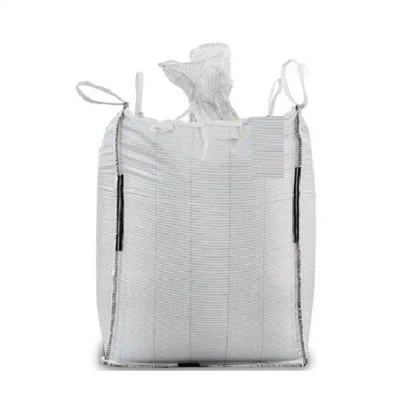
First, let’s make sure we’re on the same page about what a FIBC liner is, quick. FIBCs themselves are tough woven polypropylene outer bags, built to hold 500kg to 2,000kg of goods, right? But they’re porous—little tiny gaps in the weave let in moisture, dust, or even cross-contamination if you’re switching products. So liners are the inner plastic barrier, usually made from HDPE (high-density polyethylene) or LLDPE (linear low-density polyethylene), super flexible, sometimes heat-sealed at the bottom. They fix all those basic issues: keep powders dry, stop fine materials from leaking through the FIBC, even protect stuff that’s sensitive to light (if you pick an opaque liner instead of clear).
Now, back to the printing question. Short answer: Yeah, you can get liners printed. Long answer: It’s not just slapping your logo on a bag—there are a bunch of reasons businesses use custom liners, and a few factors that make it work (or not work, if you skip the right details). Let’s start with why people care about this.
First up: Brand visibility. If you’re a food manufacturer, you don’t want your bulk FIBCs wandering around a warehouse or cross-country trucking route with no ID. A plain liner means anyone handling the bag has to guess what’s inside—powdered sugar vs. baking powder? Rice vs. quinoa? That’s a recipe for mistakes, especially if you’re running multiple products. I had a small snack company client last year who told me a mix-up once cost them $12k in spoiled goods because a warehouse worker grabbed the wrong bulk FIBC. They now get their liners printed with their logo, product name, and even a small color code for each product. No more guesswork.
Then there’s compliance. If you’re dealing with food-grade materials, pharmaceuticals, or even hazardous chemicals, there are rules—FDA in the US, EFSA in the EU, all that stuff. Printing isn’t just a nice-to-have here; it’s non-negotiable. You need to print lot numbers, expiration dates, storage instructions, and safety warnings right on the liner so every single person who touches the bulk load can see them. No sticky labels falling off, no missing info because a label got smudged in rain. I work with a chemical distributor out of Texas who uses printed liners for their industrial cleaning chemicals—they print GHS (Globally Harmonized System) hazard symbols right on the liner so truck drivers and warehouse staff know to handle them with care, even if the outer FIBC gets dirty. That’s huge for safety.
Wait, but can you print liners that are heat-sealed? Or liners for specialized FIBCs, like those for ventilation or conductive goods? Yeah, that’s where a lot of people get stuck—they think printing will mess with the liner’s functionality. Let’s clear that up. Printing on liners happens on the same flat plastic roll before we cut, seal, and form the liner. The method we use most is flexographic printing, which is super common for flexible plastics. It’s fast, it works on both clear and opaque liners, and we can do up to 6 colors if you need—logos, text, barcodes, all that. We’ve done conductive liners for semiconductor parts, for example, and the printing process doesn’t affect the antistatic properties at all. Same with heat-sealed liners: we print before sealing the bottom and top, so the sealed edges are still smooth and leak-proof, no ink getting in the way of the heat bond.
But here’s the thing—custom printing on liners isn’t one-size-fits-all. There are a few things you need to plan for if you want to do it right. First, size. If you have a super specific liner size (like a 1,000kg liner for rice vs. a 500kg liner for coffee grounds), we can adjust the print layout to fit without wasting space. But we always tell customers to share their exact liner specs first—length, width, gusset size (those side folds that let the liner expand when filled)—so the print doesn’t end up lopsided or too close to the seam, which could cause issues when sealing.
Second, color. Not all printing is the same. If you just need a black logo, that’s easy. If you need exact Pantone colors for your brand, we can do that too, but you have to let us know early—Pantone matching takes a tiny bit more time for setup, but it’s worth it if your brand is consistent. Also, keep in mind: clear liners are better for light-sensitive products if you don’t print them (since you can see through to check for clumps), but if you want a color background (like a blue liner for your rice), we can do that too, then print white text on top.
Third, quantity. If you just need 10 liners for a small batch, custom printing is probably not cost-effective. The setup for the print press costs a bit, so most suppliers (including me!) require a minimum order quantity, usually around 1,000 liners, though we’ve bent for repeat customers who need smaller runs on a regular basis. If you’re a small business testing a new product, maybe start with plain liners first, then move to printed once you know your order volume is consistent. I get that—small businesses don’t have the same budget as big distributors, so we try to work with you, not against you.
Wait, let’s talk about some use cases that make custom liners make total sense. I mentioned food and chemicals, but what else? Agricultural goods—farmers and feed suppliers use printed liners for animal feed (printing “DO NOT FREEZE” for alfalfa pellets, or brand names for bulk corn). Even e-commerce brands that sell bulk goods directly to consumers now—they’ll put a printed liner inside a smaller FIBC for a 25kg bag of flour, so the end customer gets a branded inner bag that feels premium, not just plain plastic. I had a bakery client in Oregon who does that—their printed liners have a little note on the bottom: “Thank you for baking with us!” which makes their customers way more likely to reorder.
Another big one: traceability. If you’re dealing with produce, coffee, or other farm commodities that get tested for quality, printing lot numbers and harvest dates on the liner means you can track a bag back to the exact farm and harvest time if there’s a quality issue. Way easier than digging through paper records or looking for a label that fell off. A coffee roaster I work with in Seattle told me they had a bad batch of beans once, and because their liners were printed with lot numbers, they could pull every affected FIBC in 2 hours, instead of 2 days. That saved them from a ton of negative reviews.
Now, let’s be real—there are a few downsides to custom printing, so I don’t want to sell you something you don’t need. Like, if you only use FIBCs once and dispose of them after, printing is an extra cost that might not be worth it. If you’re shipping something super generic, like generic plastic pellets that don’t need labeling, plain liners work fine. Also, if you have a liner that’s for a specialized use case—like a liner that’s puncture-resistant for sharp metal parts—you have to make sure the printing doesn’t weaken the plastic, but we test all our printed liners for tensile strength and puncture resistance, so that’s not a problem if you work with a reputable supplier.
Wait, let’s give you a real example of a custom liner project I did last quarter. A specialty pet food company came to me. They make organic, grain-free dog food, and they were tired of distributors mixing their 10kg bulk bags with other brands’ grain-in versions. They wanted liners printed with their logo, a big “GRAIN-FREE” banner, a small symbol for organic, and lot numbers. We used clear HDPE liners (so the distributor could check the bag was full without opening it), flexo printing with 2 colors (green and brown, their brand colors), and hit their minimum order of 1,500 liners. They told me later that since switching to printed liners, their mix-up rate dropped to zero, and their distributor even let them put a small “MADE WITH LOVE” on the bottom, which boosted their online reviews because customers could see that from the retail bag.
So, circling back to that original question: Do FIBC liners come with custom printing? The answer is a resounding yes, but it depends on a few factors. It’s not a universal add-on for everyone, but if you deal with branded products, regulated goods, or have had issues with mix-ups or traceability, it’s absolutely worth looking into.
Now, if you’re reading this and you’re thinking, “Hey, this could solve a problem for my business,” hit me up. We don’t do generic, one-size-fits-all liners here. We’ll work with you to figure out if custom printing is right for you—answer questions, walk you through sizing, color options, minimums, even send a sample liner before you place an order. No pushy sales stuff, just straight talk about what works for your products and your budget. Whether you’re a small coffee roaster needing 1,000 liners a year or a big chemical distributor needing 10,000, we’ve got you.
Let’s keep this real—too many suppliers act like custom printing is some fancy, unobtainable thing, but it’s actually pretty straightforward if you have the right partner. You don’t have to overcomplicate it, but you also don’t have to settle for plain liners that cause headaches down the line. Just reach out whenever you’re ready, and we can chat through your needs.
Super Sacks References:
- Flexible Intermediate Bulk Container (FIBC) Liners: Properties, Applications, and Customization Options. Plastics Industry Association, 2022.
- Food-Grade Packaging Regulations: EFSA and FDA Guidelines for Bulk Food Containers. European Food Safety Authority, 2023.
- Flexographic Printing for Flexible Packaging: Best Practices for Barrier Films. Flexographic Technical Association, 2021.
- Traceability in Bulk Agricultural and Food Supply Chains. United States Department of Agriculture, 2022.
Hebei Hesheng Plastic Products Co., Ltd.
Hebei Hesheng Plastic Products Co., Ltd. is one of the most professional fibc liners manufacturers and suppliers in China for over 30 years, specialized in providing the best customized service. We warmly welcome you to wholesale high quality fibc liners for sale here from our factory. For price consultation, contact us.
Address: Tasizhuang Industral Zone, Qing County, Cangzhou City, Hebei, China.
E-mail: office@heshengbulkbag.com
WebSite: https://www.hs-bulkbags.com/
