If you’ve ever dealt with a stuffy chest from asthma, COPD, or even a bad cold that’s leaving you gasping, you’ve probably heard of ipratropium bromide. It’s a workhorse medication that helps open up your airways fast, and a nebulizer turns it into a mist that’s easy to breathe in. As someone who sells nebulizers (yeah, I’m right there with you, not some corporate robot typing from a far-off office), I’ve seen so many people mess up using their nebulizer with ipratropium—either they skip a step, rush through it, or don’t know how to get the most out of the medication. Today, I’m breaking this down like I would with a friend who just picked up their first nebulizer and doesn’t know where to start. No confusing jargon, no fancy medical terms that make your eyes glaze over—just real, usable info and tips from someone who’s dealt with this stuff day in and day out. Nebulizers
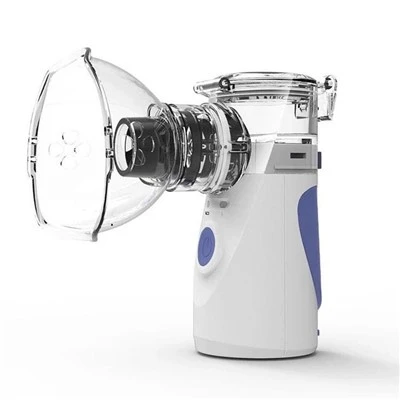
First, let’s get the basics out of the way: what exactly is ipratropium bromide, and why pair it with a nebulizer? Ipratropium is an anticholinergic, which basically means it relaxes the smooth muscles around your airways. So if you’re wheezing, coughing, or your chest feels tight, this stuff helps those airways open up, making it way easier to breathe. Nebulizers turn liquid medication into a fine mist that you inhale deep into your lungs—way more effective than just using an inhaler for some people, especially if you’re older, have trouble coordinating inhaler puffs, or need a higher dose.
But here’s the thing: a nebulizer only works as well as how you use it. I’ve had customers tell me they just pour the ipratropium into the chamber, turn the machine on, and hold the mouthpiece for 5 minutes, then call it a day. That’s not enough. You need to do a few things right before, during, and after to make sure every last drop of that medication gets where it needs to go. Let’s start with prepping, because skipping pre-steps is the #1 mistake I see.
Before you even touch the nebulizer or the ipratropium, wash your hands. Sounds simple, right? But so many people skip this, and you’re transferring bacteria from your hands into the medication chamber, which can cause infections or make the medication less effective. Use soap and warm water for 20 seconds—sing your favorite 2-second chorus of a song twice, and you’re good. If you’re out and about and no sink is nearby, use an alcohol-based hand sanitizer with at least 60% alcohol. Don’t skimp on this; it matters more than you think.
Next, check your supplies. You’ll need your nebulizer machine, the tubing, the medicine cup (the small plastic chamber that holds the liquid), a mouthpiece or mask, and of course, your ipratropium bromide solution. Wait—don’t use a nebulizer with a metered-dose inhaler canister? No, that’s for inhalers, not nebulizers. I’ve seen people grab their albuterol inhaler and try to stick it in the nebulizer cup, and that’s a huge no. Ipratropium comes in liquid form specifically for nebulizers—either single-dose vials (those little plastic containers you snap open) or a larger bottle if you’re measuring your own doses. If you’re using single-dose vials, check the expiration date. I’ve had customers grab a vial that’s expired, and the medication doesn’t work half as well. Expired meds break down, so toss any that are past the date—better safe than sorry.
When you’re ready to assemble the nebulizer, don’t just slap the parts together. Make sure all connections are tight. The tubing should click into the machine and the medicine cup, the mouthpiece or mask should fit snugly onto the cup. If there’s a leak in the tubing or the cup, the mist will escape into the air instead of going into your lungs, and you’ll waste half the medication. I always tell people to test the nebulizer before adding meds: turn it on, hold the mouthpiece, and you should see a steady mist coming out. If it’s spitting or the mist is weak, check the connections—most of the time, that’s the issue.
Now, adding the ipratropium. If you’re using single-dose vials, snap the top off, pour the entire contents into the medicine cup. Don’t leave any behind—those vials are measured exactly for one treatment, so saving a drop for later will mean your dose is too low. If you’re using a larger bottle, measure the dose exactly as your doctor prescribed. It’s usually 0.5 mg of ipratropium, mixed with 3 mL of normal saline (that’s just salt water, not the stuff you use for cooking). Wait—why the saline? The ipratropium itself is thicker, so mixing it with saline makes the mist finer, easier to inhale, and it lasts longer in the nebulizer. Don’t use tap water, either—tap water has minerals that can mess up the nebulizer or irritate your airways. Only use sterile normal saline, which you can pick up at any pharmacy.
Once the medication and saline are in the cup, put the top on, and you’re ready to go. Now, the treatment itself—this is where most people rush, and that’s the big mistake. You should take 5 to 10 minutes for each nebulizer treatment. No scrolling through your phone while holding the mouthpiece, no cutting it short because you think you feel better. Let me explain why: the nebulizer produces mist in slow, steady puffs, and if you rush through, you’ll only inhale the first part of the mist, not the deeper stuff that opens up your airways.
How to position the mouthpiece or mask? If you’re using a mouthpiece, seal your lips tightly around it so no mist escapes. Breathe in slowly through your mouth, hold your breath for 2 to 3 seconds each time you inhale, then breathe out slowly through your nose. This lets the mist get deep into your lungs instead of just sitting in your mouth. If you use a mask (good for kids or people who can’t use a mouthpiece), make sure it covers your nose and mouth completely—no gaps around the edges, otherwise mist will get in your eyes and cause irritation, or you’ll waste it. For kids, I know it’s hard to get them to sit still—try letting them hold their favorite stuffed animal while they breathe, or sing a little song to distract them. I’ve had parents tell me their kid used to fight treatments, now they let the mist go while watching a 5-minute cartoon (stick to short ones, don’t make it longer than the treatment time).
Wait a common question: should you breathe through your nose or mouth? Mouth, always, for the main treatment. Your nose filters air, so if you breathe through your nose, a lot of the mist will get stuck there instead of going to your lungs. After each inhale, exhale through your nose to clear your airways, that’s fine. And mid-treatment, if you need to cough, that’s totally okay—just take the mouthpiece out, cough, then put it back in. Don’t hold it in if you need to clear your throat, that won’t hurt anything.
Another thing: during the treatment, you might notice little particles left in the medicine cup once it’s done—like a tiny bit of liquid at the bottom. Don’t shake the cup to get it all out; that’s just the excess, and it’s normal for nebulizers to leave a small amount. If you shake it, you might get big droplets instead of fine mist, which won’t work as well. So when the mist slows down or stops, you’re done, even if there’s a little liquid left.
Now, after the treatment—this part is just as important as the treatment itself, because if you don’t clean your nebulizer properly, it can grow mold or bacteria, which is bad for your lungs. I can’t tell you how many customers skip cleaning and end up with a lung infection, which means they have to stop using their nebulizer for a few days. Here’s the right way to clean it, and I’ll keep it simple so you don’t skip steps.
First, disassemble all the parts: the medicine cup, the mouthpiece or mask, and the tubing (wait, do you clean the tubing? No, not every time. The tubing doesn’t come into contact with medication or moisture, so you only need to clean it once a week, or if it gets dirty. The parts that touch the mist—medicine cup, mouthpiece, mask—need to be cleaned after every single use.
Here’s the step-by-step for daily cleaning: right after your treatment, rinse the medicine cup, mouthpiece, and mask with warm tap water. Don’t use soap! Soap leaves residue, which can irritate your airways. Some people use a little mild dish soap, but I don’t recommend it—just plain warm water is fine. Then, shake out the excess water from the parts, and let them air dry completely on a clean towel. Don’t put them in a cabinet or put them away wet; moisture is how mold grows. For a deeper clean once a week, you can soak the parts in a mixture of 1 part white vinegar and 3 parts warm water for 30 minutes, then rinse with warm water and air dry. That kills any bacteria that might have built up.
What about storing the nebulizer? Keep it in a clean, dry place, not in a bathroom (bathrooms are humid, which is bad). If you’re traveling, keep the nebulizer in a hard case to protect it, and don’t leave it in a hot car—extreme heat can damage the machine or the medication. I’ve had customers come back with nebulizers that stopped working because they left them in their car on a hot day, so that’s a quick tip.
Now, let’s talk about common mistakes people make with ipratropium specifically, not just nebulizer use. First, mixing it with the wrong stuff. Ipratropium is often used with albuterol for faster relief, but don’t mix it with other medications unless your doctor tells you to. Some people grab whatever’s in their cabinet and pour it in, which can cause side effects. Stick to what your prescription says—usually just ipratropium plus saline, or ipratropium plus albuterol as directed.
Second, using ipratropium as a rescue inhaler. Wait, no—ipratropium is a long-acting medication for most people, not the fast-acting stuff you use when you’re having an attack. Albuterol is the rescue inhaler, ipratropium is for maintenance or to help open airways over a few hours. If you’re using it every 10 minutes because you’re still wheezing, that’s a sign to call your doctor, not keep using it. I’ve had customers do that and end up with more side effects, so important to note the difference.
Side effects: let’s be real, ipratropium isn’t totally side-effect free. Some people get a dry mouth, or their eyes feel irritated if the mist gets in them. That’s why a mask needs to fit right, and if mist gets in your eyes, just rinse them with water. Less common but more serious stuff: a fast heartbeat, trouble peeing, or blurred vision. If that happens, stop using it and call your doctor right away. But most people don’t have bad side effects if they use it right.
Now, a few pro tips from someone who sells nebulizers and has helped hundreds of people with this. First, keep extra supplies on hand. You never know when your nebulizer will break, or you’ll lose a mouthpiece, so having extra medicine cups, tubing, and masks is smart. I always tell my customers to order a backup set every time they reorder ipratropium, so they don’t get stuck without one. Second, if your nebulizer is over 6 months old, consider replacing it. The parts wear out, and they don’t make as much fine mist as they should. A new nebulizer can make a big difference in how well the ipratropium works. Third, if you’re using a mask for a kid, let them pick out a fun design (we have neon ones and even cartoon ones, believe it or not) so they’re more likely to go through with the treatment.
Wait, a lot of people ask: can I use a nebulizer with ipratropium if I’m at work or traveling? Absolutely! There are portable nebulizers now that are small enough to fit in a purse or a backpack, so you can take your treatment on the go. They run on batteries, too, so you don’t need an outlet. I’ve had customers who travel for work use these for months, and they say it’s way easier than carrying a big machine around. Just make sure you bring extra batteries and a clean carry case, so everything stays sterile.
Another thing: don’t skip doses. Ipratropium is usually prescribed 3 or 4 times a day, and it’s important to stick to that schedule, even if you feel fine. It works over time to keep your airways open, so if you only use it when you’re tight, it won’t be as effective. I’ve had people skip doses and end up with a worse flare-up a week later, so consistency is key.
Now, if you’re having trouble with your nebulizer and ipratropium—like the mist is weak, or you’re not feeling any relief after a few treatments—don’t just keep using it. Check a few things first: is the machine turned on all the way? Are the connections tight? Did you clean the parts properly? If none of that works, it might be time for a new nebulizer, or you might need to adjust your dose with your doctor. That’s another reason having a good nebulizer that works well matters.
At the end of the day, using a nebulizer with ipratropium isn’t hard, but it’s easy to cut corners. From washing your hands before prepping, to taking the full 10 minutes for the treatment, to cleaning the parts right after—each step adds up to better relief and fewer side effects. If you’re in the market for a new nebulizer, or you need extra supplies for your treatments, we’re here to help. We’ve got portable models for on-the-go use, easy-to-clean parts, and everything you need to get the most out of your ipratropium treatments. Just reach out to our team to discuss your needs, whether you’re a first-time user or you’ve been using nebulizers for years. We’re happy to answer any questions you have, no matter how small.
Electronic Blood Pressure Monitor References:
- Global Initiative for Chronic Obstructive Lung Disease (GOLD). Global Strategy for the Diagnosis, Management, and Prevention of Chronic Obstructive Pulmonary Disease 2024 Report.
- American Academy of Allergy, Asthma & Immunology (AAAAI). Nebulizer Use and Medication Administration Guidelines.
- U.S. Food and Drug Administration (FDA). Ipratropium Bromide: Drug Safety and Availability Information.
- National Heart, Lung, and Blood Institute (NHLBI). Asthma Care Guidelines for Nebulizer Treatments.
Yiwu Trump Medical Products Co., Ltd.
As one of the most professional nebulizers manufacturers and suppliers in China, we’re featured by quality products and good service. Please rest assured to wholesale advanced nebulizers made in China here from our factory. We also accept customized orders.
Address: Room 428-429, 4th Floor of Comprehensive Building of Hetianxia E-commerce Park, No.16 Pinghu Road, Jiangdong Street, Yiwu City, 322000 Zhejiang Province, China
E-mail: sales01@trumpmedi.com
WebSite: https://www.trumpmedisupply.com/
