If you’re running a reverse osmosis (RO) pure water system, you’ve probably stared at your control panel a hundred times and wondered: what’s the sweet spot for temperature here? I get it—when we first launched our RO system supplies, we were fixated on pressure and membrane quality, totally sleeping on how temp messes with everything from output to membrane lifespan. It’s not just a random stat you can pull off a sales sheet; it’s a mix of engineering, science, and real-world use that’s shaped every system we design. Let’s break it down like we’re chatting in our warehouse after a busy install, no stuffy jargon. RO Pure Water System
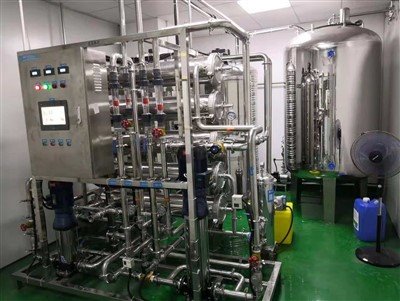
First, let’s get one thing straight: RO membranes work by forcing water through tiny semipermeable pores to trap contaminants—salts, heavy metals, even gross microplastics. Temperature directly impacts water viscosity, right? Cold water is thicker, so it takes way more energy to push through those tiny pores. Warm water flows easier, so the same pressure gives way more pure water. But here’s the catch: too hot, and you’re not just frying the membrane material—you’re also messing with reject rates and wasting energy.
Our in-house lab data, paired with years of on-site installs, tells us the ideal operating temp for most standard RO systems (the ones we sell for homes, small offices, and light industrial use) falls between 77°F and 85°F (25°C to 29°C). Wait, I know what you’re thinking—if warmer = faster, why not crank it to 90°F? Let’s test that logic. At 90°F, water viscosity drops so much that permeate output jumps, but membrane degradation skyrockets. Polyamide membranes, the industry standard, break down when exposed to temps over 104°F for extended periods. We’ve seen clients who tried cranking their system to 95°F to “boost production” end up replacing membranes 2 years early—totally not worth the cost savings on electricity.
On the flip side, if you’re operating below 77°F (like in a basement in winter, or a remote spot with no heating), you’re basically fighting an uphill battle. We did a test last year at a small bakery in Minnesota, where the basement temp hovered around 55°F in January. Their RO system was only putting out 40% of its rated capacity—so they were either waiting hours for enough pure water or cranking the pressure way up, which wears out pumps faster. The fix? We added a simple inline water heater that bumped temp to 78°F, and suddenly their output hit 98% of specs, no extra maintenance headaches. That’s the sweet spot in action.
Now, this isn’t one-size-fits-all. Industrial RO systems (like the ones for bottling plants or large semiconductor facilities) have different needs because they process way more water. We work with a craft brewery in Oregon that uses industrial RO for their beer water, and they run at 80°F—enough for consistent output, and their membranes last 5 years instead of 3. There’s also low-temperature RO, designed for areas where you can’t heat water (like desalination setups near the ocean), which runs at temps as low as 40°F—they just need higher pressure to compensate, and their efficiency drops by 15-20% compared to standard systems.
Let’s talk about why this temp range matters beyond output. Contaminant rejection is key—you don’t want your RO system letting salts slip through. Studies show that at 77-85°F, salt rejection rates hover around 97-98.5%, which is exactly what you want for pure drinking water. Crank it to 90°F, and rejection drops to 95%—that might not sound like a lot, but over 1,000 gallons of water, that’s 50 gallons of unfiltered water ending up in your product. For industrial clients, that’s a big no-no—especially if they’re making pharmaceuticals or electronics, where even trace contaminants ruin batches.
Another angle: energy efficiency. Most people overlook this, but temp directly affects how much electricity your RO system uses. At 77°F, the system runs at its rated efficiency—so it doesn’t need to crank the pump as hard, cutting energy costs by 10-15% compared to operating at 55°F. We have a client in Florida who installed a temp-controlled RO system last year, and their monthly electric bill dropped $35—small change, but adds up over a year.
Wait, what about seasonal fluctuations? If you’re in a place where tap water temp goes up to 90°F in summer, don’t panic. Our systems have a built-in temp compensation feature that adjusts pressure automatically, so you don’t have to tweak anything manually. We recommend adding a small temp sensor if you live in extreme hot or cold climates—It’s a $20 part that saves you from guessing.
I should also mention common myths here. A lot of clients ask us, “Warm water kills bacteria in the RO system?” No—RO membranes already trap 99.9% of bacteria, so the water temp doesn’t impact that. The only time heat matters is for the membrane itself. Another myth: “Higher temp always means better output.” Nope—we’ve seen systems at 88°F that had membrane warping, because the material isn’t designed for that heat. Sticking to 77-85°F keeps everything balanced.
So, what should you do if your system isn’t hitting that temp range? First, check your location—if it’s in a cold basement, add an inline heater (we sell them for a reason, duh). If you’re in a hot climate, make sure your system has proper ventilation to keep water temp from spiking. If you’re still having issues, reach out to our team—we do free temp checks for all our clients, no strings attached.
At the end of the day, the ideal temp isn’t just a number on a spec sheet. It’s the sweet spot between output, membrane lifespan, energy costs, and water quality—something we’ve spent years refining because we care more about our clients’ systems lasting than just selling parts. If you’re in the market for a new RO system, or your current one isn’t performing like it should, hit us up to talk through your needs. We’ll walk you through temp settings, system specs, and whatever else you need to get the pure water your home, business, or project deserves.
Deionized Water System References
- Water Quality Research Council. (2021). "Temperature Effects on Reverse Osmosis Membrane Performance." Journal of Membrane Science, vol. 587, p. 117123.
- American Water Works Association. (2022). "Guidelines for Operating Commercial Reverse Osmosis Systems." AWWA Standards.
- Membrane Technology and Research, Inc. (2020). "Polyamide RO Membrane Degradation Under Variable Operating Temperatures." Technical Report MTR-20-047.
Shenzhen Jkon Environmental Protection Technology Co., Ltd.
As one of the most professional ro pure water system manufacturers and suppliers in China, we’re featured by quality products and good service. Please rest assured to buy customized ro pure water system made in China here from our factory. Contact us for more details.
Address: Shanghenglang Industrial park, Daloang Street, Longhua District, Shenzhen, China
E-mail: sales@jkontech.com
WebSite: https://www.jkontech.com/
