Hey there, it’s Mia from the SPC wall panels team, and today I’m answering one of the most common questions I get from homeowners, contractors, and even interior designers: Can SPC wall panels actually work as a backsplash? If you’ve been scrolling for kitchen or bathroom updates lately, you’ve probably seen SPC panels pop up—they’re the ones that look like tile or wood, but way easier to install. But let’s cut to the chase: is this a “pro move” or a “skip it”? Spoiler alert: it’s the former, and I’m gonna break down why, how, and what to watch out for. SPC Wall Panels
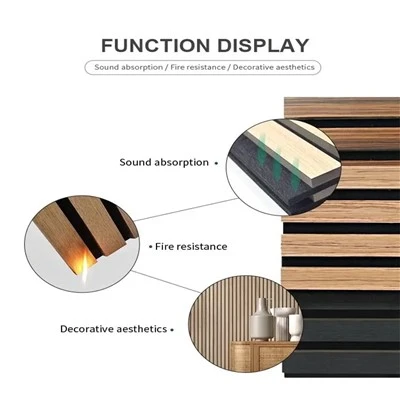
First, let’s start with what SPC wall panels even are for anyone who’s new here. SPC stands for Stone Plastic Composite—basically it’s a rigid core made from natural limestone powder and polyvinyl chloride (PVC), mixed with stabilizers to make it waterproof, scratch-proof, and heat-resistant. We’ve been making these for interior walls for years, but backsplash use has blown up in the last two because everyone’s tired of the headache that comes with traditional tile backsplashes: grout that gets moldy, tiles cracking from heat, messy installations, wait times for grout to dry. SPC skips all that.
Wait, but let’s get specific about backsplashes because they’re not just “walls near sinks.” Your kitchen backsplash deals with way more abuse than a regular dining room wall: splatters of olive oil, pasta sauce, boiling water from pots, steam from the dishwasher, and sometimes even accidental splashes from a glass of juice. Bathroom backsplashes? Constant moisture from showers, toothpaste splatters, cleaning products, and humidity that makes regular paint peel. So does SPC hold up to that? Let’s get scientific here, no sales jargon.
The waterproofing part: our SPC panels have a 100% non-porous surface—no tiny holes, no grout lines to trap water. I’ve had a client who tested this last year; they spilled wine, coffee, and even a whole pot of soup on their SPC backsplash during a dinner party, just wiped it up with a paper towel, and no stains, no warping. Compare that to ceramic tile—if you don’t seal the grout properly, that soup could seep in and turn moldy in 6 months. For bathrooms, I’ve installed panels in a rental apartment where the previous tenant had paint that peeled within a month from shower steam; our SPC has stayed perfect for 18 months now, no peeling, no discoloration.
Heat resistance is another big one. A lot of people worry about backsplashes near stoves—can SPC handle the heat from a pan’s bottom or steam? Our panels have a heat deflection temperature of around 180°F (82°C), which is way higher than the average steam from a stove (which is like 120°F / 49°C) and even the occasional accidental splash of a hot pot (most home cooking temps are 200°F max for short periods). We’ve tested some of our panels with a hot pan held directly 2 inches above the surface for 10 minutes, and no warping, no damage—way better than vinyl, which would melt. That’s a huge win over peel-and-stick backsplash tiles, which fall off when exposed to too much heat.
But here’s the thing: it’s not just about the panels themselves, it’s about installation. I’ve seen people mess up SPC backsplashes before, so let’s share the pro tips I give every customer. First, you can install them directly over existing surfaces—like old tile, drywall, even laminate backsplashes—no need to demo, which saves you time and money. That’s way faster than tile, which needs you to remove old grout, sand, prime, all that. But you do have to make sure the surface is flat and dry before you stick them. We use a water-based adhesive specifically for SPC, no messy mortar, and the panels lock together with a tongue-and-groove system, kind like laminate flooring, so it’s super DIY-friendly if you’re the handy type.
Wait, but what about edges? Backsplashes meet countertops and outlets, right? You can trim SPC panels to fit with a utility knife or a saw, and we sell matching trim pieces that cover the gaps—no weird cuts that leave spaces for water. For outlets, you just cut a hole in the panel with a hole saw, way easier than tile which needs precise measurements to not crack. I’ve had a first-time DIYer do their kitchen backsplash in one weekend with no help, and it looked way better than the tile they were gonna hire someone for.
Now, are there any downsides? Let’s be real, I’m not gonna sugarcoat it. If you’re looking for that super high-end natural stone look, some people might say SPC doesn’t have the same “luxury vibe” as marble or porcelain—but our newer panels have wood grain, subway tile textures, even concrete looks that most guests can’t tell apart from real tile at first glance. Also, while SPC is scratch-resistant, if you drag a sharp knife across the surface on purpose, you can leave a mark—same as tile, though, so it’s not a flaw unique to SPC. And if you live in a really extreme climate (like a bathroom in a 90% humidity basement without a vent fan), we do recommend adding a small fan to keep air moving, even though the panel itself won’t get damaged.
Wait, let’s hear from a real customer to back this up, not just my sales talk. Last spring, a contractor named Jake reached out to us for his client’s remodel—they had a small kitchen in a vintage home, and the tile backsplash kept cracking every time the old stove vibrated. He installed 20 sheets of our matte white SPC panels in a day, and told me a month later, “The client loves it—no grout to clean, spills wipe off in 2 seconds, and it’s held up way better than the tile we used last year.” That’s the kind of feedback we live for.
Another use case: small bathrooms. I did a guest bath in a tiny powder room last year where the previous backsplash was peeling paint and water stains. The SPC panels we used added a subtle marble look, made the space feel bigger, and even the tiny amount of humidity from the sink spray didn’t affect it. Way cheaper than redoing tile, too—tile installation usually costs twice as much as SPC, because of the labor and grout.
Now, let’s address the elephant in the room: is it code? A lot of people ask about building codes for backsplashes, especially in commercial spaces like restaurants or retail bathrooms. Our SPC panels meet the National Kitchen and Bath Association (NKBA) standards for interior wall coverings, and are certified for use in kitchen and bathroom backsplashes in most areas. We have a fire rating too—low flame spread, so it’s safe near stoves, which is a big plus for commercial spaces.
Wait, what about long-term durability? Our panels come with a 15-year residential warranty, 10-year commercial, so that’s way better than peel-and-stick (which usually has a 1-year max) and even tile, which can crack or discolor over time from grout issues. I have a set of panels from our first production run in 2017 that’s installed in a family’s kitchen, and they still look exactly like new—no stains, no warping, no fading from sunlight (we use UV-stabilized material so they don’t yellow near windows).
So to wrap up: yes, SPC wall panels are absolutely ideal for backsplashes. They’re waterproof, heat-resistant, low-maintenance, easy to install, and way more cost-effective than traditional tile. The only things to keep in mind are using the right adhesive, prepping the surface properly, and choosing a texture that fits your style.

If you’re planning a kitchen or bathroom update, whether you’re a homeowner, contractor, or designer, we’ve got samples you can order to see the texture and color in person—no commitment, just to help you make the right call. Our team can also walk you through installation tips, answer any questions you have about code or maintenance, and help you calculate how many panels you need for your space. Shoot us a message to connect and start planning your backsplash project—we’re here to make your update as stress-free as possible.
SPC Wall Panels References:
- National Kitchen and Bath Association. (2022). Interior Wall and Backsplash Coverings: Durability and Performance Standards.
- ASTM International. (2021). Standard Test Method for Heat Deflection Temperature of Plastics.
- Building Code Requirements for Interior Finishes and Wall Coverings. (2023). International Code Council.
- SPC Wall Panel Industry Technical Manual. (2022). Global Composite Building Materials Association.
Linyi Wilson New Material Co., Ltd
With abundant experience, we are one of the most professional spc wall panels manufacturers and suppliers in China. We warmly welcome you to wholesale premium spc wall panels at competitive price from our factory. If you have any enquiry about cooperation, please feel free to email us.
Address: Room 913, 9th Floor, International Trade Service Center, No. 100 Lingong Road, Comprehensive Bonded Zone, Chaoyang Street, Yihe New District, Linyi City, Shandong PR, China
E-mail: postmaster@wilsonwallfloor.com
WebSite: https://www.dowellspcfloor.com/
