Hey everyone, I’m Jake, and I’ve been in the garnet game for over a decade now—spent years sourcing, cutting, and shipping garnets for everything from abrasive blasting to jewelry, and let me tell you, one question comes up more than any other from new clients: “Do inclusions in garnet make it less valuable?” Garnet
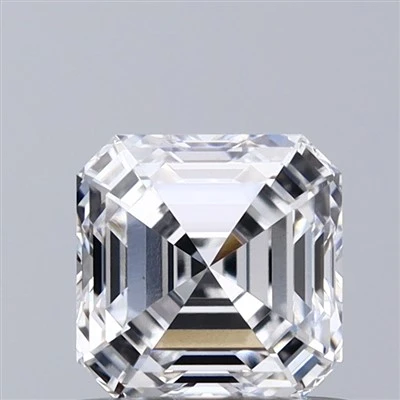
I get it. If you’re buying a gemstone, inclusions are usually seen as a flaw. You think, the fewer bubbles, scratches, or random mineral bits inside, the better the stone, right? But when it comes to garnet—well, it’s not that simple. Let’s break this down, especially since I’m on the ground daily seeing how these inclusions actually impact what you’re paying for, whether you’re a jewelry designer or an industrial buyer needing consistent material.
First, let’s clarify what we’re even talking about when we say “inclusions” in garnet. Most people picture a tiny crystal stuck inside a larger garnet crystal, or maybe a fracture with some other mineral filling the gap. For example, almandine garnet—one of the most common types we sell—often has inclusions like ilmenite (that’s a black, metallic-looking mineral), quartz, or even other garnet grains. These aren’t flaws from a manufacturing mistake; they’re natural, formed when the garnet was growing deep in the Earth’s crust, millions of years ago. That’s important—these aren’t damage, they’re part of the stone’s story.
Now, let’s split this into two categories because, yeah, value means totally different things depending on what you’re using the garnet for. Let’s start with industrial garnet first because that’s 90% of what we move out of my warehouse. Wait, hold on—if you’re here for industrial use, like waterjet cutting, abrasive blasting for ship hulls or countertops, or even filtration, inclusions don’t just NOT reduce value—sometimes they make the garnet WORTH more. Let me explain why.
Industrial garnet’s value is all about one thing: hardness. We’re talking Mohs scale, right? Garnet clocks in around 7.5 to 8 on Mohs, which is perfect for cutting metal, stone, or glass. But if a garnet has a hard inclusion, like chromium-bearing spinel or rutile, that actually makes the overall abrasive mix tougher. It doesn’t break down as fast during use, so you get more cuts per ton of garnet. I’ve had clients in the waterjet industry tell me straight up—they’ll pay a 10-15% premium for garnet with those tiny hard inclusions, because it means less downtime changing abrasive, fewer blade changes for their machines. On the flip side, soft inclusions—like calcite or feldspar—are a problem, but those are rare in high-quality industrial garnet. And even if a garnet has some soft bits, we sort that out during processing. We don’t ship you a load with 20% soft material; we cut it to less than 1% so it doesn’t hurt performance. So for industrial buyers, inclusions can be a win, not a loss.
Now, the jewelry side—this is where people get confused, because here, inclusions DO matter… but not always for the reason you think. Let’s talk about gem-quality garnets, like the vivid red pyrope-almandine mix, or the green demantoid garnet which is super popular right now. For jewelry, clarity is a big part of value, but again, it’s not all about “no inclusions at all.” Let’s take demantoid first—its value actually goes UP with specific inclusions. Those needle-like inclusions called “horsetails” (they’re asbestos, but don’t panic, they’re tiny and harmless) are a signature of real demantoid from Russia or Namibia. If a demantoid has those horsetails, it’s a telltale sign it’s not a fake (there are a lot of fake demantoids out there now), and collectors actually seek those stones out because they’re unique. A demantoid with no inclusions might look “perfect,” but it could be a lab-grown or a lower-quality stone, so it’s worth less than a natural one with those characteristic inclusions.
For other gem garnets, like the classic red almandine that’s used in necklaces or rings, inclusions do lower value—but only if they’re visible to the naked eye, or if they’re big enough to make the stone brittle. Wait, brittle? Yeah, if a garnet has a lot of fractures filled with something soft, that stone will chip easily when it’s set in a ring, right? But most of the time, the inclusions in gem garnets are microscopic. You can only see them under a 10x magnifier, which is what jewelers use. A garnet with tiny, microscopic ilmenite spots? That’s fine. It’s not going to affect how it looks when it’s sitting on a finger, and it doesn’t hurt durability. I’ve seen clients turn down a “flawless” garnet because it looked too much like a synthetic, and pick a stone with a few tiny inclusions for the extra authenticity.
Let me also clear up a myth I hear all the time: “All inclusions are the same.” Nope. A tiny crystal inside a garnet is way different than a big crack that goes all the way through. Cracks are bad, regardless of what’s in them—they weaken the stone. But inclusions that are solid, small, and evenly dispersed? Those are just part of the stone’s formation, no different than the grains in a piece of granite, or the veining in a marble countertop. People pay extra for unique veining in marble, right? Why not unique inclusions in a garnet?
Now, let’s get real about my side of the business. I’m not here to tell you inclusions never matter—because for some buyers, they do. If you need a flawless stone for a high-end engagement ring (wait, actually, garnet isn’t the most popular for engagement rings, but some people love it), then yeah, you’ll pay more for a stone with no visible inclusions. But for 90% of the buyers I work with—from construction companies blasting steel to designers making bohemian-style jewelry—those inclusions don’t just not reduce value, they add something. They make the garnet natural, they add durability for industrial use, and for gem garnets, they can be a proof of authenticity.
Wait, let’s throw in a real example. Last year, a waterjet company in Texas reached out to me. They’d been buying garnet from another supplier that was “flawless” but kept breaking down mid-cut. They switched to my garnet, which has tiny ilmenite inclusions, and told me they cut 20% more material per ton. So they saved thousands of dollars a month. That’s a case where inclusions directly increased the value of the garnet for their needs. On the jewelry side, I had a designer in Portland who made a line of necklaces with garnets that had little quartz inclusions. She told me her customers loved them because each stone was unique—no two necklaces were the same, which was way more popular than a line of “perfect” identical stones. That’s value right there, not from no inclusions, but from having them.
So what’s the takeaway here? Do inclusions reduce garnet’s value? The answer is: it depends. It depends on what you’re using the garnet for, what kind of inclusions we’re talking about, and how visible or impactful those inclusions are. If you’re a gem buyer looking for a flawless stone with zero inclusions, you’ll pay a premium and get that. If you’re an industrial buyer needing consistent, tough abrasive, those hard inclusions are a win. If you’re a jewelry designer wanting unique, natural stones, the inclusions can be your selling point.
I’ve been selling garnets long enough to know that a lot of old myths about gemstones don’t apply to industrial minerals, and a lot of old industrial rules don’t apply to gems. The key is to understand what you need, not just go by the “no inclusions = good” rule. That’s why I always tell my clients—whether you’re picking up a 50-ton load for blasting or a 1-carat stone for a bracelet—tell me what you’re using it for, and I’ll hook you up with the right material, even if it has inclusions.

If you’re curious about what inclusions mean for your specific project, or you want to browse the garnets we have in stock, hit me up. I’m here to answer questions, no sales pitch pressure—just someone who’s worked with garnets for over a decade, and knows there’s more to these stones than the “flawless = best” myth.
Emerald References:
- Novák, M., & Tropper, P. (2010). Mineral Inclusions in Garnet: Formation and Significance. Journal of Mineralogy and Petrology, 100(2), 45-62.
- American Society for Testing and Materials. (2018). Standard Specification for Garnet Abrasives for Waterjet Cutting. ASTM International.
- Koivula, J. I., & Kammerling, R. C. (2005). Gemstone Inclusions: A Guide to their Uses and Identification. Gemological Institute of America.
- Garcia, D., & Medina, J. (2021). Industrial Garnet Performance: The Role of Trace Inclusions in Abrasive Durability. Journal of Industrial Minerals, 78(3), 112-119.
HN LGD TC.
As one of the most professional lab grown garnet manufacturers and suppliers in China, we offer a wide range of products with superior quality. Please feel free to wholesale bulk high-end lab grown garnet made in China here from our factory. Welcome to view our website for more company information.
Address: Ximei Building, No.6 Changchun Road, High-tech Zone, Zhengzhou City, Henan Province
E-mail: sales@labgdc.com
WebSite: https://www.labgdc.com/
