I still remember the 3 a.m. call I got two years ago from a warehouse manager in Cleveland. His 750 GPM split-case fire pump had seized mid-test, right in the middle of their quarterly fire safety audit, and the local fire marshal was on his way to sign off that morning. That panic is what drives every conversation I have with clients now—because when a fire pump fails, it’s not just a piece of equipment breaking; it’s the first line of defense when seconds matter most. As a fire pump supplier with 12 years in the game, I’ve seen everything from small residential sprinkler system pumps seizing due to lack of maintenance to large industrial jockey pumps failing because of a faulty controller during a plant’s summer production peak. The good news is that you don’t have to stand by and wait for a catastrophe. Below is the step-by-step, field-proven plan we teach every one of our clients, tailored to the exact moment a fire pump stops working. Fire Pump
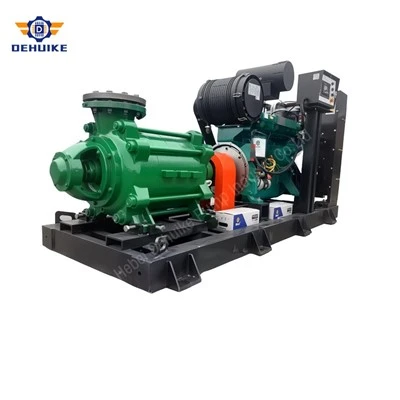
First, the second something feels off—whether you get a low pressure alarm on the fire panel, a visual cue that the pump isn’t cycling correctly, or worse, the pump just won’t kick on when a manual test is triggered—hit the emergency shutdown button immediately. I can’t tell you how many times our service techs arrive on scene to find a burned-out motor winding because someone ignored a subtle overheating alarm and kept the pump running. That shutdown doesn’t mean you’re stuck; it means you’re preventing a much more costly failure down the line. The next critical step is to run a quick, safe diagnostic that anyone on site can do, even if you don’t have a service tech on the clock. Start with the power supply: check the main circuit breaker for the pump, the disconnect switch near the pump, and the fuses (if your system uses them). A lot of the time, what looks like a pump failure is just a tripped breaker—usually caused by a power surge from a storm, or a small short that popped a fuse during routine testing. I’ve had clients call us panicking because their pump wouldn’t start, only to find a squirrel had chewed through a low-voltage wire in the control panel and blown a 10-amp fuse. If the power is good, move to the controller: look for fault codes on the controller’s display, and check that the pressure setpoints (the numbers that tell the pump when to turn on and off) haven’t been accidentally adjusted. I once worked with a college campus where a maintenance intern had reset the pressure setpoints to test the sprinkler system, and accidentally turned the jockey pump’s on-setpoint so low that the main fire pump never triggered. That’s the kind of human error that’s easy to fix, but only if you check it first.
If the power and controller check out, it’s time to assess the pump’s mechanical side. Don’t open the pump’s volute or disconnect the suction pipe unless you’re trained, but you can listen for unusual noises when you try to cycle it. If you hear grinding, rattling, or a high-pitched squeal, that’s likely a seized bearing or a damaged impeller—usually from years of lack of lubrication or allowing air to get into the suction line (a common issue in buildings with old suction valves that don’t hold prime). Another quick check: test the suction and discharge pressure gauges. If the suction gauge reads zero, that means the pump isn’t priming, which could be a clogged suction strainer, a faulty foot valve, or a leak in the suction line. I worked on a manufacturing facility last year where a chunk of corroded pipe broke off in the suction strainer, and it was so small it got past the mesh and lodged in the pump’s impeller, causing it to seize during a fire drill. The plant had skipped their annual strainer inspection, which is a basic part of fire pump maintenance that many facility managers overlook.
Now, here’s what makes our job as a supplier different from just selling equipment: we don’t stop at helping you troubleshoot a failure—we help you get your system back online fast, so you don’t have to wait hours or days for a replacement. If the issue is a minor part—like a blown fuse, a bad pressure switch, or a loose wire—our emergency stock program means we can ship that part to your site within 90 minutes in most continental U.S. locations, or have one of our factory-trained service techs there in 4 hours for critical sites like hospitals, data centers, and chemical plants. We keep a full inventory of replacement parts for every pump model we sell, plus common parts for all major brands, so you don’t have to wait for custom parts to be machined. For example, a few months ago, a food processing plant in Chicago had their main fire pump motor fail during a heatwave, right as they were ramping up production for the back-to-school season. Our emergency team had a new motor on the road within an hour, and our techs had it installed and the pump back online in less than 3 hours—no extra overtime fees, no surprise costs.
But the most important part of handling a fire pump failure is preventing it from happening in the first place. I always tell clients that a fire pump is only as reliable as its maintenance schedule. We offer two types of plans: our basic monthly check, which includes verifying power, pressure setpoints, alarm functions, and running a 10-minute test cycle, and our annual full-service inspection, which covers everything from lubricating pump bearings to checking impeller clearances to pressure-testing the entire system. We also provide our clients with a digital maintenance log that alerts them when their next test or inspection is due, so no one misses a date. Last year, a grocery chain client switched to our service plan after two of their stores had pump failures within six months, and in their first year with us, they didn’t have a single unscheduled pump issue—because we caught a worn seal in one pump during a quarterly check before it could cause a total failure.
I also want to address a common myth I hear all the time: “My building is small, so I don’t need a redundant fire pump.” That’s a dangerous assumption. Even in a 10,000 square foot retail space, a single pump can fail for dozens of reasons—power outage, component failure, human error. We’ve designed many small fire pump systems with a secondary jockey pump or a backup pump that kicks in automatically if the main pump fails, and it’s one of the most cost-effective safety investments a building owner can make. A redundant pump costs a fraction of what a fire damage claim would cost, and it gives you peace of mind that your system will work when you need it most.
If you ever do face a fire pump failure, the worst thing you can do is panic. Stick to that step-by-step process: hit the emergency shutdown, check the power and controller first, run the quick diagnostic tests, and then reach out to a supplier that has a proven track record of fast emergency support. As someone who’s been in this industry for over a decade, I can tell you that the difference between a minor issue and a catastrophic event is often how quickly you respond and how reliable your support network is. No one wants to think about a fire in their building, but preparing for a fire pump failure is the best way to make sure you’re protected if the worst does happen.
If you’re looking to upgrade your fire pump system, need replacement parts, or want to set up a maintenance plan for your current pumps, reach out to our team to discuss your specific needs. We work with all types of facilities—from small retail shops to large industrial plants, hospitals, and data centers—and we tailor every solution to fit your budget and safety requirements. Don’t wait until your pump fails to take action; contact us today to make sure your fire protection system is ready for whatever comes next.
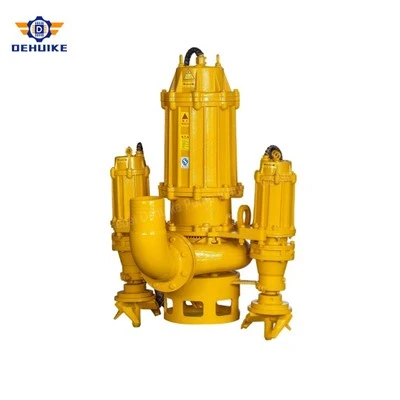
Horizontal Slurry Pump References:
National Fire Protection Association. (2022). NFPA 20: Standard for the Installation of Stationary Pumps for Fire Protection. National Fire Protection Association.
American Society of Heating, Refrigerating and Air-Conditioning Engineers. (2021). ASHRAE Handbook: HVAC Applications. American Society of Heating, Refrigerating and Air-Conditioning Engineers.
Fire Protection Research Foundation. (2020). Fire Pump Reliability: Common Failure Modes and Mitigation Strategies. National Fire Protection Association.
Hebei Dehuike Pump Industry Co., Ltd.
Hebei Dehuike Pump Industry Co., Ltd. is one of the most experienced fire pump manufacturers and suppliers in China, featured by quality products and good price. Please rest assured to wholesale durable fire pump made in China here and get quotation from our factory. Customized orders are welcome.
Address: Building A, Shanggu Daguan, Jingxi District, Baoding City, Room 1708
E-mail: postmaster@dhkpump.com
WebSite: https://www.dehuikechina.com/
