When I first started working in plastic packaging bags, I’ll admit I mixed up LDPE and HDPE more times than I can count. A customer would call asking for "thick, durable produce bags," and I’d default to whatever was in the back of the warehouse—until the day they came back frustrated because the bags tore when they were loading crates of apples. That mistake taught me: understanding the difference between LDPE and HDPE isn’t just a technical detail—it’s what keeps customers coming back, and what sets us apart as a supplier that gets their needs. Plastic Packaging Bags
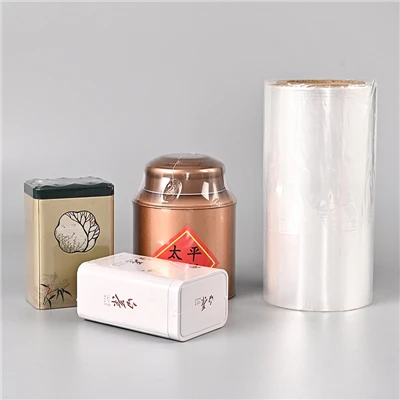
Let’s start with the basics. Both are types of polyethylene, a polymer made from ethylene monomers that’s one of the most widely used plastics in the world. But their molecular structures are where the magic (and the key differences) happens. LDPE, or Low-Density Polyethylene, has long, branched polymer chains—think of a tree with lots of small branches sticking out every which way. These branches keep the chains from packing tightly together, which is why LDPE is soft, flexible, and slightly translucent. HDPE, or High-Density Polyethylene, has straight, unbranched chains. They stack neatly on top of each other, like a deck of cards, making it much denser. That difference in density translates straight to the performance of the plastic bags we supply, and how customers use them.
Take flexibility first, because that’s one of the first things people notice. LDPE bags are like a sturdy grocery store produce bag you’d get at the checkout—they stretch a little, don’t feel rigid, and even crinkle softly when you handle them. That makes them perfect for items that might have irregular shapes or need to be wrapped without being too stiff. I used to think "thicker means stronger," but that’s not always true with LDPE. Its flexibility lets it conform to whatever you’re packaging, so even a thin LDPE bag can hold up against small tears from sharp edges, like a bag of carrots or a bunch of bananas. HDPE bags, on the other hand, are stiffer. They feel more like a plastic milk jug cut into a bag—they don’t stretch as much, but they’re rigid enough to stand on their own. That’s why you see HDPE bags used for things like hardware parts, bulk grain, or even trash can liners that need to hold their shape when filled.
Next, strength. This is where the molecular structure’s density really comes into play. HDPE has a higher molecular weight, and the straight chains mean there are more intermolecular forces holding them together. So HDPE bags are generally more tear-resistant and can handle heavier loads. A standard HDPE bag can hold 50 pounds of sand without tearing, while an LDPE bag of the same thickness might only hold 20–25 pounds. But don’t write LDPE off for strength—its flexibility is a different kind of strength. If you’re packaging something fragile that might shift, like a set of ceramic mugs, a slightly stretchy LDPE bag will give a little to absorb movement, whereas a rigid HDPE bag might rub against the mugs and cause chips. That’s why matching the plastic type to the product is everything, and as a supplier, we don’t just sell bags—we help customers pick the right one for their specific use case.
Transparency and appearance are another big factor. LDPE has that soft, slightly hazy look, like a frosted window. It’s not perfectly clear, which means it’s great for products where you don’t need shoppers to see every tiny detail—like bulk laundry detergent, pet food, or even construction waste. HDPE is more opaque; think of a milk jug or a plastic water bottle. But wait—we can make HDPE into clearer films too, right? Yes, but that requires extra processing (like co-extruding with other materials) which adds cost. For most standard HDPE packaging, opacity is a feature, not a bug. It can hide stains, dirt, or product imperfections, which is useful for industrial or non-retail applications. LDPE’s hazy look is also a plus for some businesses, because it can prevent UV light from getting through—so it’s better for packaging items that degrade in sunlight, like certain types of fertilizer or paint.
Heat resistance and chemical compatibility are two more technical points that affect how our bags perform, and how we recommend them. LDPE has a lower melting point—around 110°C (230°F). That means it’s not ideal for packaging hot items, like freshly baked bread or hot takeout, because the bag might warp or even melt if it’s left in a hot car or near a heat source. HDPE’s melting point is much higher, around 130°C (266°F), so it can handle slightly warmer temperatures. But neither is meant for microwaving—important to note, because some customers ask if our plastic bags are microwave-safe. We always clarify that unless a bag is specifically labeled as microwave-safe (which requires additives we can include if needed), neither LDPE nor HDPE should go in the microwave. For chemicals, HDPE is more resistant to oils and acids, which is why it’s used for chemical containers, while LDPE can handle milder chemicals, like those found in cleaning products or cosmetics.
Then there’s sustainability, which is top of mind for every customer these days. Both LDPE and HDPE are recyclable, but their recycling processes are different. HDPE is one of the easiest plastics to recycle—you can find recycling bins for it at most grocery stores, and it’s turned into things like new plastic bottles, playground equipment, or storage bins. LDPE is a bit trickier because it’s a film plastic; it’s often bundled with other film plastics (like shrink wrap) and processed into items like plastic lumber or garbage bags. However, film plastic recycling rates are lower than rigid HDPE, so when we’re working with customers who care about sustainability, we discuss their end-of-life goals. Some prefer HDPE because it’s more widely recyclable, while others choose LDPE because it’s often made with less energy during production—another detail we share to help them make an informed choice.
Let’s talk about common use cases, because that’s where this all comes together for our customers. If you’re a grocery store, farmers market, or food producer, LDPE is the go-to for produce bags, bread packaging, loose snack bags, and even frozen food bags. Its flexibility and mild moisture resistance keep produce fresh, and the hazy look doesn’t show minor condensation that would make a bag look unappealing. If you’re a hardware store, construction company, or bulk goods retailer, HDPE is perfect for bagging nails, screws, gravel, animal feed, or industrial parts. Its rigidity means the bag stands on store shelves without collapsing, and its strength can handle heavy weights without tearing. We also do custom blends for some customers—like mixing a little HDPE into LDPE to add extra strength for bulk items, or vice versa—to meet specific needs that standard bags can’t.
As a supplier, the biggest mistake I see other companies make is treating LDPE and HDPE as interchangeable. A customer might order HDPE thinking it’s "stronger," only to find it’s too stiff for their delicate products, or order LDPE and have it tear under heavy loads. That’s why when someone contacts us, we don’t just send a price list—we ask questions: What are you packaging? What’s the weight? Will it be stored in sunlight? Does it need to stand on shelves? Every answer helps us point them to the right plastic. Last quarter, a small bakery came to us because their old LDPE bread bags were tearing when they added butter. We recommended a blended LDPE with a small amount of HDPE, and they told us later that not only did the bags stop tearing, their customers preferred the slightly sturdier feel because the bread stayed fresh longer. That’s the kind of win we care about.
I also want to address a few myths I hear all the time. Some people think LDPE is "cheaper" than HDPE, but that’s not always the case. The cost depends on thickness, size, and custom features—we can make a thin LDPE bag cheaper than a thick HDPE one, or a standard HDPE bag more affordable than a speciality LDPE with UV protection. Another myth is that LDPE is worse for the environment. While film plastic recycling is less common, LDPE is still a recyclable material, and we work with manufacturers who source post-consumer recycled (PCR) resin for both LDPE and HDPE bags when customers request it. For example, we recently filled an order for a local grocery chain that wanted 100% PCR LDPE produce bags, and we were able to source the material at a competitive price.
So, to wrap this up: LDPE is flexible, slightly translucent, softer, good for irregular or delicate products, and better for applications where stretch is needed. HDPE is rigid, opaque, stronger, better for heavy items, and more widely recyclable. But at the end of the day, the "right" bag isn’t about which is better—it’s about matching the plastic to what your customer needs.
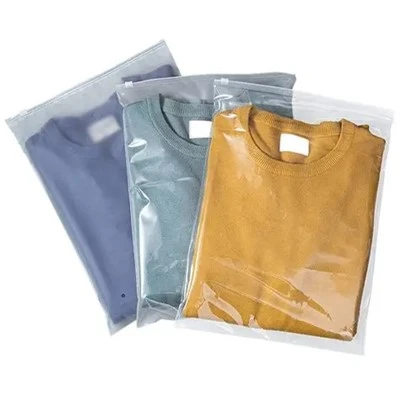
If you’re in the market for plastic packaging bags—whether you need produce bags, bulk goods bags, custom sizes, or something tailored to your unique products—we’re here to help. We don’t just sell bags; we’ve worked with small local businesses and large industrial operations, and we know how to pick the right LDPE or HDPE (or a blend) to fit your needs. Reach out to our team to discuss your requirements, and we’ll provide a quote and guidance to make sure you get the right product at the right price.
Anti-Static Bags References
- Plastics Industry Association. (2023). Polyethylene: LDPE vs HDPE.
- American Chemistry Council. (2022). Recycling of Polyethylene Plastics.
- European Plastics Converters. (2021). Film Packaging Performance: LDPE vs HDPE.
- Food and Agriculture Organization of the United Nations. (2020). Plastics in Food Packaging: Material Properties and Applications.
Shanghai Ruiyue Plastic Products Co., Ltd.
With abundant experience, we are one of the most professional plastic packaging bags manufacturers and suppliers in China. We warmly welcome you to buy high quality plastic packaging bags in stock here from our factory. If you have any enquiry about customized service, please feel free to email us.
Address: No. 1000, Lixue Road, Malu Town, Jiading District, Shanghai
E-mail: shenyang.boss@ruiyueplastics.com
WebSite: https://www.ruiyueplastics.com/
