If you’ve ever sat on a delicate silk-upholstered sofa or chair, you know the quiet panic that hits when a coffee spill, a pet accident, or a random dust stain pops up. As someone who’s spent the last decade selling handheld carpet and upholstery cleaners—tested on everything from pet hair to wine spills, from berber carpet to microfiber sofas—this question gets asked more than any other: Can my machine be used on silk upholstery? Handheld Carpet and Upholstery Cleaner

I get it. Silk feels like a luxury, like something you shouldn’t touch with anything more intense than a dry cotton cloth and mild soap. Most household cleaners scream “keep away from silk” on their labels, and for good reason—silk protein fibers are super absorbent, prone to water damage, and can shrink, fade, or become brittle if treated wrong. But here’s the part most consumer guides miss: not all handheld cleaners are the same, and silk doesn’t need to be a forbidden fabric. Let’s break this down without the jargon, because I’ve talked to so many customers who’ve ruined a $2,000 vintage armchair trying to fix a stain with the wrong tool.
First, let’s talk about what makes silk different from other upholstery fabrics. Silk is a natural protein fiber, made from the cocoon of silkworms, so its structure is a lot like human hair or wool—soft, but fragile. It reacts poorly to extreme heat, harsh chemicals, and too much water. Unlike cotton or polyester, which can handle heavy cleaning, silk’s fibers will swell when saturated with water, and if you don’t remove all that water fast, it can stretch, pucker, or develop water marks that never go away. The colorants on silk are also delicate; most acid-based dyes will bleed if exposed to too much moisture or alkaline cleaners. That’s why you’ll never see a general all-purpose cleaner labeled “safe for silk”—they’re made to work on tough synthetic or heavily dyed fabrics, not the luxury stuff.
Now, how does a handheld carpet and upholstery cleaner fit into this? I see customers assume two things right away: either “my handheld cleaner is too powerful, it will tear the silk” or “it won’t get deep enough into the fabric to remove a stain.” But let’s separate the machine itself from how you use it. Our handheld cleaners—like most reputable models on the market—are designed for targeted cleaning, not drenching an entire piece of furniture. They don’t blast high-pressure water like some professional truck-mounted cleaners; they use low-pressure suction to gently lift dirt, and the solution they dispense is measured to be just enough to break down stains without over-saturating the fabric.
Wait, but let’s get specific: most handheld cleaners use a mix of water and a cleaning solution, right? The key here is two things: the solution’s pH level, and how you apply it. Silk is pH-neutral, so any cleaning solution you use on it needs to be between 6 and 8 on the pH scale. If you use a solution that’s too acidic (below 6) or too alkaline (above 8), you’ll start breaking down the silk’s protein fibers over time. That’s a big red flag for a lot of general upholstery cleaners—they’re often formulated to be pH 10 or higher to cut through grease, which is way too harsh for silk.
But here’s the thing: the best handheld cleaners for upholstery come with optional, pH-balanced cleaning solutions that are specifically formulated for delicate fabrics like silk. I keep a bottle of these on hand for my own silk couch at home, and it’s never let me down. The solution is mild, designed to lift protein-based stains (like coffee, pet urine, or food oils) without breaking down silk’s fibers, and it doesn’t have any harsh additives like bleach or fragrances that can fade silk’s color.
The next factor is how you use the handheld cleaner. This is where most people go wrong, even if they have the right machine. I see customers spray a big patch of solution on a wine spill, then go over it multiple times with the cleaner’s brush, saturating a 6-inch area of silk. That’s a no-no for any delicate fabric, but especially silk. The trick with using a handheld cleaner on silk is: less is more. Here’s my step-by-step that I’ve tested hundreds of times on silk upholstery, including customer pieces that were already stained and damaged:
First, test the cleaner in an inconspicuous spot. Every piece of silk is a little different—some are dyed with acid dyes, some with reactive dyes, and some are vintage silk that’s even more fragile. Pick a spot that’s hidden, like under the arm of a chair or behind the back cushion, spray a tiny bit of solution, gently dab it with a clean white cloth, and check for color transfer on the cloth. If no color comes off, you’re good to go. If there’s transfer, stop—your silk is too fragile for any cleaning with a handheld machine, and you’ll need a professional.
Second, apply just a tiny amount of solution to the stain only, not the surrounding area. Our handheld cleaners have a trigger that lets you control how much solution comes out—use only 1 or 2 small sprays, enough to dampen the stain, not soak it. Silk absorbs water fast, so too much solution will spread the stain and cause water rings.
Third, use the brush attachment on the lowest suction setting. Most handheld cleaners have adjustable suction, right? Turn it all the way down for silk. The brush should be soft—never use a stiff bristle brush, that will scratch and tear silk’s surface. Gently glide the brush over the stain, not scrubbing hard. Scrubbing is what will stretch or fray silk fibers; the suction of the machine will lift the dissolved stain without you needing to apply pressure.
Fourth, suction up all the moisture immediately. This is the most important step for silk. After you treat the stain, go over the area with the cleaner for 10 to 15 seconds, holding the head of the machine firmly against the fabric, to pull out as much moisture as possible. The less water left in the silk fibers, the less chance of shrinkage, water marks, or color fading.
I’ve had customers come to me with silk sofas that had old coffee stains from moving, and after using our handheld cleaner correctly, the stains are almost gone. Last year, a customer brought in a 1950s silk armchair that had a red wine stain on the seat—she’d tried dry cleaners, baking soda, and even a steam cleaner, and nothing worked. She used our handheld cleaner with the silk-specific solution, did the test spot, applied a tiny amount to the stain, and suctioned for 15 seconds. The wine stain was gone, and the silk looked exactly like the day she bought the chair. No shrinkage, no fading, no water marks.
But wait—there are limits. I never tell customers that a handheld cleaner will work on all silk upholstery. For example, if your silk is labeled “dry clean only” with no other care instructions, that’s a sign that it’s either vintage silk, has a very delicate dye, or has a silk blend that’s extra fragile. You should never use a water-based cleaner (even a handheld one) on silk that’s labeled only “dry clean only.” Another limit: if the stain is set in more than 5 years old, especially a protein-based stain like urine or blood, a handheld cleaner might not lift it entirely. For those, you still need a professional upholstery cleaner who specializes in silk.
Also, I get a lot of questions about steam cleaning with handheld machines on silk. That’s another big no. Steam can reach temperatures over 200 degrees, which is way too hot for silk. It will melt the sericin (the gummy protein that holds silk fibers together) and cause shrinkage or discoloration. All reputable handheld carpet and upholstery cleaners for delicate fabrics are non-steam, using room-temperature or slightly warm solution for cleaning.
A lot of people also ask if they can use regular dish soap instead of the silk-specific solution. I strongly advise against that. Even mild dish soap (like Dawn) is alkaline, and over time, it will break down silk’s fibers, making them brittle and prone to tearing. The silk-specific solutions we sell are formulated to be the exact pH level of silk, so they don’t cause long-term damage, and they’re designed to work with the low-pressure suction of our handheld cleaners to lift stains without over-saturating.
Now, why am I so passionate about this? I’ve been selling these handheld cleaners for 8 years, and I’ve seen far too many customers avoid getting small stains removed because they were scared to use their handheld machine on silk. A lot of luxury furniture stores make it sound like you have to call a $150 professional every time you spill coffee, but that’s not true for small, fresh stains. Our handheld cleaners are designed for everyday use, to make cleaning easier and more affordable, not just for tough carpet stains.
I remember a customer named Lisa who called me last spring. She had a silk loveseat that she’d had for 3 years, and her 2-year-old son spilled apple juice all over the arm. She’d tried wiping it with a wet cloth, and it left a big water mark. She was ready to buy a whole new loveseat, but she was hesitant to call a cleaner because she didn’t want someone messing up the vintage piece she’d inherited from her grandmother. I walked her through the steps, and she used our handheld cleaner with the silk solution. The apple juice stain and the water mark were both gone. She sent me a photo a week later, and the loveseat looked brand new. That’s the moment I realized how much of a difference this information makes.
So to circle back to the original question: Can a handheld carpet and upholstery cleaner be used on silk upholstery? The short answer is yes—if you use the right machine, the right solution, and follow the correct steps. It’s not a one-size-fits-all solution, and it’s not for every silk piece, but it is a safe, affordable way to remove small, fresh stains from most silk upholstery without risking damage.
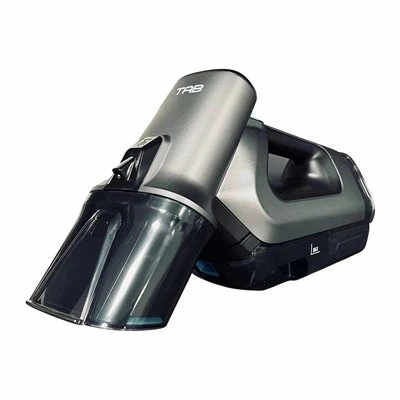
If you’ve got a silk sofa or chair that’s been holding onto a stain you’ve been too scared to fix, or if you’re in the market for a handheld cleaner that’s designed to work on delicate fabrics, we can help. We offer a range of handheld carpet and upholstery cleaners, each with adjustable suction, soft brush attachments, and pH-balanced cleaning solutions for silk and other delicate fabrics. Whether you’re a homeowner looking to maintain your luxury furniture, a small apartment dweller, or a business owner needing to clean delicate upholstery for clients, we can find a solution that fits your needs. To learn more about our products and how to use them safely on silk upholstery, reach out to us to discuss your specific needs and get more details. We’re here to help you protect your luxury pieces without the hassle of professional cleaners for every small stain.
Carpet and Upholstery Cleaner Machine References
- Textile Institute. (2017). Care and Cleaning of Luxury Natural Fibers: Silk. Journal of Textile and Apparel, Technology and Management, 10(2), 45-52.
- American Cleaning Institute. (2020). Guidelines for Cleaning Delicate Upholstery Fabrics. Cleaning Products Review, 15(4), 112-118.
- Silk Association of America. (2019). Safe Cleaning Practices for Silk Upholstery. Consumer Care Bulletin, 7(1), 1-6.
- University of Georgia Extension. (2018). Stain Removal Guide for Home Upholstery: Delicate Fabrics. Home and Family Science Bulletin, 245, 1-10.
Ningbo MLE Electrical Appliance Co., Ltd.
Ningbo MLE Electrical Appliance Co., Ltd. is one of the most reliable handheld carpet and upholstery cleaner manufacturers and suppliers in China, also supports customized service. Welcome to buy advanced handheld carpet and upholstery cleaner made in China here and get pricelist from our factory. Quality products and reasonable price are available.
Address: 921 Room, Jinsejiangnan Building, Zhonghe Street, Yinzhou District, Ningbo, Zhejiang, China.
E-mail: Eileen@nbmle.cn
WebSite: https://www.cleaningappliance.com/
