Hey there, fellow riders and moto enthusiasts! If you’ve ever spent time tinkering with your bike in the garage—whether you’re commuting to work, carving backroads on weekends, or hauling gear for weekend trips—you know how critical a good, safe inner tube is. I’ve been in the motorcycle tube game for over a decade now, and let’s be real: I’ve seen my share of tubes fail. Not because they were defective, but because riders made avoidable mistakes that turned a small maintenance issue into a big (and often dangerous) problem. Motorcycle Tube
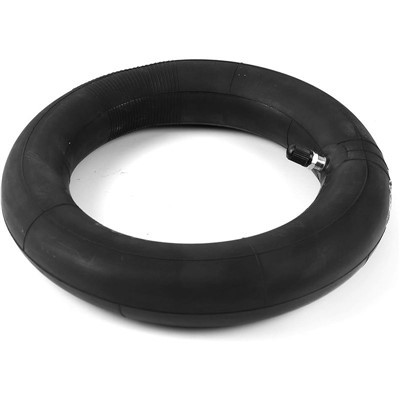
Today, I’m breaking down the safety tips I’ve learned from working with thousands of tubes—from the ones we ship out to the ones that come back for returns (trust me, returns are a goldmine for learning what not to do). No stuffy industry jargon, just straight talk that actually works.
First off, let’s get one thing straight: not all inner tubes are created equal. When I say that, I don’t mean we cut corners at our shop (we don’t—we test every batch before it leaves the warehouse). I mean, picking the right tube for your bike and your riding style is the first safety step you can take. I see riders grabbing a tube off the shelf that’s just “close enough” to their tire size, and that’s a recipe for disaster.
Wait, let’s make that specific. If you have a 120/70 ZR17 front tire, don’t reach for a tube labeled “110/80-17” just because it’s the only one on hand. Here’s why: tubes stretch, but they only stretch so much. If it’s too small, you’ll end up with wrinkles, and those wrinkles can rub against the tire or the rim until they tear—usually mid-ride, when you least expect it. Too big, and you’ll have excess bunching in the tire. That bunching throws off your balance, makes the tire wobble, and can even get pinched between the rim and the tire when you inflate it. I’ve had a customer tell me his tube blew out on the highway at 70 mph once, and when we looked at the old tube, it was clearly the wrong size—way too big, bunched up, and stretched thin in spots. He got lucky he didn’t crash.
Pro tip from the shop: always cross-reference your tire’s exact size with the tube’s labeled size, and check our compatibility chart on the site. We list every tube we carry with the exact bikes they fit, so you don’t have to guess. If you’re not sure, just slide into our DMs or shoot an email—we’re here to help, no charge for that advice.
Next up, inspecting your tube before you even install it. I can’t tell you how many times a rider brings back a “bad” tube that was just defective out of the package—wait, no, not exactly. Some of them were damaged in shipping, but a lot of times, they were nicked during installation. But before you install it, give the tube a once-over. Run your hands along the entire length, checking for small cuts, pinholes, or even weak spots that look discolored or thin.
Here’s a trick I learned early on: inflate the tube a little (just enough to make it hold its shape, not fully) and submerge it in a bucket of water. If you see bubbles, you’ve got a leak. That’s a free and easy way to spot tiny holes you can’t see with your naked eye. We do this at the shop before every tube leaves, but sometimes a pinhole forms during handling, and we can’t catch it until it’s inflated. If you skip this step, you might be riding around on a tube that slowly deflates—super dangerous on a long ride, especially if you’re in the middle of nowhere.
Now, installation. This is where most mistakes happen, honestly. Pinching the tube between the rim and the tire is the #1 cause of tube failures. How do you avoid that? First, make sure the tire’s inner bead is seated properly. If it’s a tubed tire (important—some modern bikes are tubeless, so make sure your setup is tubed before buying a tube!), break the bead evenly around the rim. Don’t just pop one side off and yank the old tube out. When you’re putting the new tube in, coat the inside of the tire and the tube with a little talcum powder (we even include a small packet with every tube we ship now, because it’s that helpful). The powder reduces friction, so the tube doesn’t rub against the tire or the rim as it seats.
Wait, another big one: when you’re threading the valve stem through the rim hole, make sure it’s straight. Don’t bend it. If you bend the valve stem while installing, the stem will stress every time you inflate or deflate the tube, and it’ll crack over time. I’ve seen riders force a stem through a small hole, bend it, and then wonder why the stem blew off at a stop sign. Take your time—align the stem with the rim hole first, then gently push it through. Once it’s through, double-check that it’s perpendicular to the rim, not at an angle.
After installation, seating the tire is key. Before you fully inflate the tube, make sure both beads of the tire are seated evenly on the rim. If one side is sticking out more than the other, you’ll get a lopsided tire, and again, that’s a balance issue waiting to happen. To check, spin the wheel and look at the gap between the tire and the rim all the way around—it should be consistent. If not, deflate the tube a little, work the tire bead back into place, and try again.
Now, inflation pressure. This is where I see so many riders get it wrong. I know, I know—every bike has a recommended pressure, but that pressure is for the tire and tube together. Don’t just wing it. Too little pressure, and the tube flexes a lot as you ride. That flexing generates heat, which makes the rubber weaker, and eventually, the tube will blow. I’ve had a customer come in with a shredded tube on his commuter bike—turns out he’d been running 5 psi under the recommended pressure for months, thinking “softer is better for comfort.” Wrong. For highway riding, that heat builds up fast—he was 20 minutes from home when it went.
Too much pressure is bad too. Overinflating makes the tube rigid, so if you hit a pothole or a rock, the tube can’t absorb the impact. Instead, it gets pinched between the rim and the tire, or even ruptures. And overinflation makes the tire stiffer, which affects handling—you might not notice it on a straight road, but if you take a turn fast, that stiff tire won’t grip like it should.
Pro tip: use a good pressure gauge, not the one on your compressor (those are often off by 5-10 psi). Check the pressure when the tire is cold—before you ride, because riding heats up the tire, and pressure increases by about 1-2 psi for every 10 minutes of riding. That’s a normal change, so don’t panic if it’s a little higher after a ride. Stick to the cold pressure from your bike’s manual, and you’re golden.
Next up, maintenance for existing tubes. You can’t just install a tube and forget about it, especially if you ride on rough roads or off-road. Every few weeks (or every oil change, if you do your own), check your tire pressure. And if you’re riding off-road, make a habit of checking for debris in the tire—glass, nails, rocks. A tiny glass shard in the tire can work its way through the tube over time, causing a slow leak. I’ve seen a rider pull a 2-inch nail out of his tire that had been there for a month, and the tube was just starting to puncture. Catching that early saved him from a flat on a trail.
Also, if you’re changing tires, always replace the tube. Even if the old tube looks fine. Tubes age, even if you never use them. The rubber breaks down over time, especially if it’s stored in a hot garage or exposed to sunlight. A tube that’s 5 years old, even if it’s never been installed, is way more likely to fail than a new one. I can’t tell you how many times a rider brings in a bike that’s been sitting in a garage for 10 years, tries to use the original tube, and it blows the second they inflate it. New tubes are cheap insurance—way cheaper than a crash.
Wait, let’s talk about storage. If you have extra tubes, don’t just leave them leaning against a wall in your garage. Store them in a cool, dry place, away from sunlight and chemicals (gas, oil, brake fluid). Those things break down rubber fast. I once had a customer bring in an old tube that had been stored next to a can of gasoline—when he inflated it, it cracked in three places. Not cool.
Another big safety tip: know when to replace a tube. Even if you don’t ride often, inspect your tubes every year. If you see any cracks, bulges, thin spots, or even discoloration, it’s time to swap it out. Bulges are a red flag—they mean the tube has been stretched too much or exposed to too much heat, and it’s going to fail soon. Don’t wait for a flat to replace a tube—replace it when you see signs of wear.
Wait, let’s address a common myth: inner tubes can be patched multiple times, right? Yeah, but only if done correctly. I see riders patching a hole and then riding it for years, and sometimes that works, but sometimes the patch comes loose, or the hole was too big in the first place. If you have a hole bigger than a quarter, or multiple holes within an inch of each other, don’t patch it—replace the tube. That’s a safety thing, not a cost thing. A new tube is way less expensive than a crash.
And let’s not forget about riding conditions. If you ride in wet, humid areas, or in cold weather, your tube might be more prone to wear. Cold makes rubber stiffer, so it’s more likely to crack. Humidity can lead to mold or weak spots in the rubber. If you live in a place with extreme weather, check your tubes more often—every month, not every few months.
Now, from my experience as a supplier, I can tell you that the #1 mistake riders make is ignoring the basics. They skip inspecting the tube, grab the wrong size, overinflate or underinflate, and then blame the tube for failing. Our tubes are made with high-quality butyl rubber, which is durable, but they’re not invincible. They need to be used and installed correctly, just like any other part of your bike.
Wait, let’s share a quick story to drive this home. A few months back, a guy came into our shop panicking because his rear tube blew out on the interstate. He’d bought a tube from a big-box store, not from us, and he’d been too lazy to check the size. When we looked at the old tube, it was labeled 130/90-16, but his bike needed 150/80-16. It was way too small, so it had stretched thin, and the heat from riding made it rupture. He was okay, but he said he almost crashed into a semi when it went. That’s the kind of thing we want to prevent by sharing these tips.
So, to wrap this up, the main safety tips are:
- Get the right tube size for your bike—no guessing.
- Inspect every tube before installing, and patch correctly (or replace if needed).
- Install it properly to avoid pinching.
- Inflate to the cold pressure recommended by your bike, not what feels right.
- Maintain your tubes and replace them before they wear out.
- Store extra tubes correctly.
If you have any questions about which tube is right for your bike, or need advice on installation, don’t hesitate to reach out. We’re here to help—we’ve been in the moto tube game long enough to know what works, and we want you to stay safe on the road. Just get in touch with our team to chat about your needs, no pressure, no awkward sales pitches.
At the end of the day, your safety is what matters most. A good inner tube is just a small part of your bike, but it’s a critical one. Take a few extra minutes to do it right, and you’ll avoid a lot of headaches—and dangerous situations. Ride safe, and we’re here for all your tube needs.
E-Bike Inner Tube References:
- Motorcycle Safety Foundation. (2021). Motorcycle Maintenance and Safety Tips.
- Tire Industry Association. (2020). Best Practices for Tubed Tire Installation and Inflation.
- International Organization for Standardization. (2019). Specifications for Motorcycle Inner Tubes (ISO 5775-2).
- Rider Gear and Equipment Safety Report. (2022). Inner Tube Failure Causes and Prevention.
- National Highway Traffic Safety Administration. (2021). Motorcycle Tire and Tube Safety Guidelines.
Jiangxi Vimia Tyre Co., Ltd.
We’re well-known as one of the leading motorcycle tube manufacturers and suppliers in China. We warmly welcome you to wholesale bulk high quality motorcycle tube in stock here from our factory. If you have any enquiry about quotation, please feel free to email us.
Address: Zone C, Industrial Park, Jinxi County, Fuzhou City, Jiangxi Province
E-mail: 17779452635@139.com
WebSite: https://www.cnvimia.com/
