If you’re working in mining, construction, wastewater treatment, or any heavy industry that moves abrasive, thick slurry, a slurry pump that stops performing like it should can throw entire schedules off—fast. As a slurry pump supplier who’s talked to hundreds of operators over the last 12 years, I’ve heard every version of this question: “Why is my slurry pump not pumping?” More often than not, it’s not a catastrophic failure—it’s a small, easy-to-overlook detail, or a mismatch between the pump you bought and the slurry you’re moving. Let’s break this down step by step, no confusing engineering jargon, just real, on-the-job issues I see every day. Slurry Pump

First, let’s start with the basics that people skip because they seem too simple. Slurry pumps aren’t like clear water pumps; they rely on a consistent, dense mix of solids and liquid to generate flow. If your pump isn’t moving anything, the first thing to check is the suction line—90% of the time, that’s the culprit. A common mistake here is air leakage. Even a tiny leak in the suction flange, a cracked hose, or a loose packing gland can let air get pulled into the line. When air mixes with slurry, it forms air pockets that act like plugs, blocking flow. I once got a call from a gold mine in Nevada that thought their pump had seized; when we showed up, we found a 1/8-inch crack in the suction hose that was sucking in air, so the impeller was just spinning empty. Fixing the hose took 20 minutes and got their operation back online in half an hour. Another related suction issue: clogged suction strainers or foot valves. If you’re pumping stuff with big chunks of rock, wood, or debris, those can get stuck in the strainer before the slurry even hits the pump. We recommend checking that strainer weekly—when it’s clogged, it restricts suction, so the pump can’t pull enough slurry to create flow.
Next, impeller problems. The impeller is the heart of a slurry pump—its curved blades agitate the slurry and push it through the system. If it’s not working right, you’ll get reduced flow or no flow at all. Two big issues here: impeller clogging and wear. Clogging happens when large solids get trapped between the impeller blades and the volute (the pump’s casing that surrounds the impeller). Unlike clear water, which is thin enough to flow through, slurry can hold onto bits of debris that get wedged tight. We’ve seen impellers clogged with everything from coal chunks to wet concrete chunks that were just too big to pass through. The fix here is regular inspection—we tell operators to pull the pump apart every 100 operating hours for light-duty slurry, and every 50 hours for heavy-duty, abrasive slurry. Then there’s impeller wear. Slurry is full of sharp, hard particles, so over time, they erode the impeller’s blades. As the blades wear down, their curve changes, which means they can’t generate the same amount of head (pressure) to move the slurry. A brand-new impeller might have ½-inch thick blades; after a year of pumping abrasive iron ore, those blades could be down to 3/16-inch thin, which isn’t enough to push the slurry. We recently had a customer in a construction aggregate plant that replaced his impeller after 8 months because of wear, and his flow went from 120 GPM to 210 GPM—huge difference. A lot of operators wait until the pump stops completely to replace the impeller, but by then, it’s already lost 70% of its performance.
Another common issue: improper priming. Slurry pumps are positive displacement or centrifugal, but both need to be primed (filled with the same slurry they’re moving) before they start. If you start a dry slurry pump, the impeller will spin, but it won’t create enough vacuum to pull more slurry into the pump. That’s called “running dry,” and it can damage the impeller and seal over time, too. A lot of new operators make this mistake—they turn the pump on without priming it, thinking it will pull slurry in on its own. We always remind customers: for centrifugal slurry pumps, you need to fill the suction line and pump casing with slurry before starting. For positive displacement pumps, you have to make sure the cylinders or diaphragms are fully charged with slurry, not air. I once had a customer in a chemical processing plant who’d been running his pump dry for three weeks without noticing—he was getting half the flow he needed, and he thought the pump was broken, but it just needed proper priming.
Then there’s system mismatch, which is one I see all the time as a supplier, because sometimes people buy a pump based on price, not what they actually need. Slurry comes in different types, and a pump that works for thin, low-solids agricultural slurry won’t work for thick, high-solids mining slurry. Let’s say you bought a pump rated for 100 GPM at 50 feet of head, but your actual slurry is twice as thick, so it needs 75 feet of head to move it. That pump will never reach its rated flow—its impeller can’t generate enough pressure to push that dense slurry. Another mismatch: pipe size. If your suction pipe is too small, it creates too much friction, so the pump can’t pull enough slurry. Or if your discharge pipe is too big, the velocity drops, and solids settle in the pipe, blocking flow. We had a customer in a coal washing plant who installed a 4-inch discharge pipe when his pump was designed for a 6-inch pipe. Within a month, solids had settled in the discharge line, and his pump was barely moving anything. Swapping the pipe back to the correct size fixed the issue immediately.
Seal and packing issues might not be the first thing you think of, but they can cause problems that look like pump failure. Slurry pumps use either mechanical seals or packing to keep slurry from leaking out of the shaft, and to keep air from getting in. If the seal is worn or damaged, it can let air leak into the pump casing, which breaks the prime. Or if the packing is too tight, it can bind the shaft, so the impeller doesn’t spin properly. A lot of operators overtighten the packing to stop leaks, which is a mistake—packing should be loose enough to let a few drops of slurry leak out per minute, which lubricates the shaft. If it’s too tight, the shaft will overheat, and the impeller will stop spinning fast enough to move slurry. We also see seal faces getting clogged with slurry solids, which scratches them and causes leaks. Regular seal checks every 30 operating hours can prevent this.
Wait, let’s not forget about speed and power issues. Slurry pumps run on motors, and if the motor is too small, or the pump is running at the wrong RPM, it can’t generate enough flow. Sometimes, after a motor rebuild, people swap in a motor with lower horsepower, and the pump can’t move the thick slurry. Or if the pump’s speed is set too low, the impeller doesn’t create enough head. For example, a centrifugal pump’s flow is proportional to its speed—if you run it at 80% of its rated RPM, you’ll get 80% of the flow. A lot of older installations have speed reducers that wear out, so the pump is running slower than it should, which leads to reduced flow. We recently upgraded a customer’s motor from 20 HP to 25 HP because his was underpowered, and his flow increased by 40%—that’s a quick fix, once you know the motor is the issue.
Now, let’s talk about what to do when you’re staring at a slurry pump that won’t pump. I always tell customers to go through a checklist, in order, to save time: first, check the suction line for air leaks or clogs; second, make sure the pump is properly primed; third, inspect the impeller for clogs or wear; fourth, check the seal and packing; fifth, confirm the motor and speed are correct. 9 times out of 10, the issue is on that checklist, not a catastrophic pump failure. And when you do need a replacement part, or a new pump, don’t just go for the cheapest option—make sure it’s rated for your slurry’s specific characteristics: solids size, solids concentration, abrasiveness, and the total head you need.
As a slurry pump supplier, my job isn’t just to sell you a pump—it’s to help you keep it running. I’ve worked with mines, construction sites, and wastewater plants for over a decade, and the number one mistake I see operators make is waiting until the pump is completely broken to address small issues. A 10-minute check every morning can prevent hours of downtime that costs thousands of dollars in lost production. For example, a gold mine I work with in Arizona does a 5-minute suction line check every shift, and they’ve cut their pump downtime by 60% over the last two years.
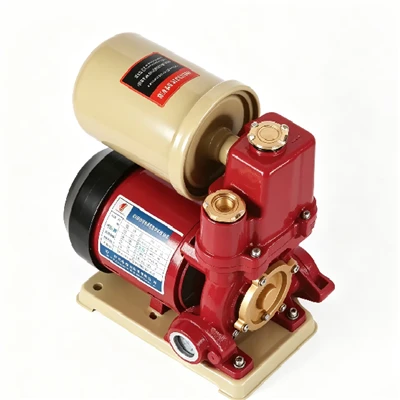
If you’re dealing with a slurry pump that won’t pump, or you’re planning to install a new system and want to make sure you get the right equipment, reach out to us. We can help you troubleshoot the issue, walk through that checklist, or design a custom slurry pump system that fits your needs, not just your budget. Don’t let a pump issue throw your whole operation off—let’s get it resolved quickly.
QY Oil-Immersed Cast Iron Submersible Pump References
- "Slurry Pump Operation and Maintenance Handbook," International Slurry Pump Association, 2021.
- "Abrasive Wear in Centrifugal Slurry Pumps," Journal of Fluids Engineering, Vol. 143, No. 5, 2021.
- "Suction System Design for Centrifugal Slurry Pumps," Mining Engineering, Vol. 73, No. 4, 2021.
- "Positive Displacement Slurry Pump Priming and Performance Guidelines," Construction Industry Institute, 2020.
Longbiao Pump Industry Co., Ltd.
We are one of the most professional slurry pump manufacturers and suppliers in China, featured by quality products and low price. Please rest assured to buy discount slurry pump for sale here from our factory. We also accept customized orders.
Address: Unit 101, Building 11, Pan’ao Entrepreneurship Park, Daxi Town, Wenling City, Taizhou City, Zhejiang Province, P.R. China
E-mail: 1653746797@qq.com
WebSite: https://www.cnlongbiao.com/
