Hey there, puzzle lovers and small business owners alike – let’s cut to the chase today: I get asked all the time, “Are floor puzzles expensive?” And as someone who’s been in the floor puzzle game for almost 10 years now (guilty of hoofing way too many custom pieces in my garage back in the day), I’ve got a ton of real-world answers, not just vague marketing fluff. Spoiler: it’s not a straight yes or no. Let’s break it down like we’re huddled around a folding table sorting jigsaw pieces at a trade show. Floor Puzzles
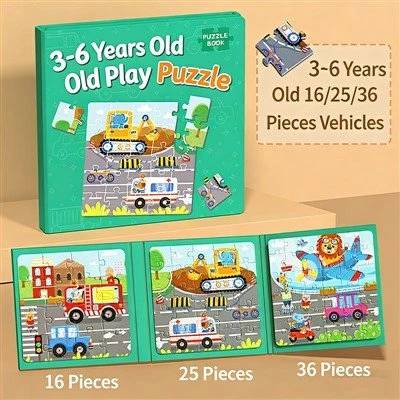
First off, let’s talk about what makes a floor puzzle cost anything in the first place, because that’s where most of the confusion starts. A lot of folks don’t realize floor puzzles aren’t your tiny pocket jigsaw you did in elementary school with 50 pieces. Most are big enough for a kid to sit on and play with, right? That means bigger boardstock, thicker pieces, way more materials, and way more work to cut those shapes evenly. Back when I first started sourcing, I’d see cheap ones on Amazon for like $10 – but those were flimsy, paper-thin, would curl up if you spilled a single glass of juice on them, and the print would fade after two months of being left by the window. Those are the ones people usually complain about, so they think all floor puzzles are overpriced. But then I’d see a custom floor puzzle for a daycare that cost $200, and I’d get calls from confused daycares like “why is yours $20 more than the last one I saw?”
Let’s get specific on the cost drivers, no jargon, promise. First: size and piece count. A 24-piece toddler puzzle that’s 2ft x 3ft? That’s one price. A 100-piece puzzle that’s big enough for a group of 6 kids to sit on and all work together? Way different. More pieces mean more die cuts, which are expensive tools to make (think: a custom cookie cutter, but for puzzle boards – and yeah, they cost a pretty penny). If you change the shape of the pieces even a little, you gotta make a new die. That’s why bulk orders make sense – if you’re buying 100 of the same puzzle, you split that die cost across way more units, so each one is cheaper. If you’re buying 10, that die cost hits harder, so the per-unit price goes up.
Next: materials. This is where the cheap vs. quality line gets drawn hard. I’ve seen suppliers use flimsy 12pt boardstock that bends if you look at it wrong, or even laminate that peels off after light play. That stuff might cost them 20 cents per puzzle, so they can sell it cheap. But I use 24pt solid chipboard – it’s thick, rigid, doesn’t curl, and can handle a toddler stepping on it (yeah, we test that – dropped a puzzle on a concrete floor once for a video, it survived). And then there’s the print: we use UV-cured inks that don’t fade in sunlight, so if a puzzle is by a window, it doesn’t look like a ghost after six months. A cheap puzzle might use water-based inks that smudge if there’s any moisture. The difference in materials per puzzle? Maybe 50 cents, but that adds up, and it’s the difference between a puzzle you keep for years and one you toss after a month.
Then there’s custom stuff, which is where a lot of our clients come in. Daycares, schools, small businesses, maybe a family doing a custom puzzle of their grandkid’s first soccer game. Custom floor puzzles aren’t just a different image – you might need a certain size, a specific number of pieces, maybe even non-standard shapes. I had a client last year who wanted a puzzle shaped like their farm, with piece outlines that matched their barn, chicken coop, and cornfield. That meant totally custom dies, custom layout, custom printing – so yeah, that’s going to cost more than a generic dinosaur puzzle off the shelf. But is it “expensive”? When you think about the fact that it’s a one-of-a-kind keepsake that 50 kids will play with for years, that’s way different than a cheap generic puzzle that gets replaced every few months.
Wait, let’s talk about bulk pricing too, because that’s a big one for our regular customers. If you’re a daycare buying 50 puzzles for your pre-K class, or a boutique gift shop buying 20 to sell, the per-unit cost drops a ton. I’ve had a client who owns 3 daycares, used to buy small batches at retail, and when we started working together, buying 150 puzzles at once cut their per-unit cost by almost 40%. That’s the thing: “expensive” is relative. If you’re buying 1 puzzle for your kid for $25, that might feel steep if you can get a $10 one, but that $25 puzzle will last 3x longer, and the $10 one will fall apart by Christmas. We also work with non-profits a lot – we give them bulk discounts because we know how hard it is to stretch a small budget. Last year we donated 20 puzzles to a local after-school program, and cut the cost for them on another 30 they wanted to buy. That’s part of why we do this, not just sell puzzles.
Now, let’s address the elephant in the room: why do some floor puzzles cost $50, and others cost $15? That’s all the stuff we talked about, but also supply chain and quality control. I’ve seen suppliers cut corners on quality control – if a puzzle has 24 pieces, maybe they only check 10, so you get one that’s missing a slot, or a piece that’s printed wrong. We check every single puzzle before it ships, because I don’t want a customer getting a puzzle that has a smudged unicorn on it, or a piece that doesn’t fit. That extra QA time adds to the cost, but it means you don’t have to send it back, or be stuck with a dud. Also, supply chain stuff: during the pandemic, die costs went up 30%, shipping for boardstock was double, so a lot of suppliers had to raise prices, but some tried to keep theirs low by using worse materials. Now that things are leveling out, prices are stabilizing, but there’s still that gap between cheap, low-quality and solid, durable.
Wait, let’s get user perspectives, because that’s what matters most. I hear from parents all the time: “I paid $20 for a floor puzzle, and my 4-year-old ripped it in two in a week” – that’s the cheap stuff, full stop. Then I hear from a mom who bought our dinosaur puzzle for her son, and he still plays with it 3 years later, and says it was worth every penny. A daycare owner told me that when they switched from the $10 puzzles to ours, they didn’t have to replace half their puzzle bin every month, so they saved money in the long run. That’s the real cost of “cheap” floor puzzles – hidden costs of replacements, frustrated kids, waste. We’re not trying to gouge anyone, we’re trying to make a product that lasts, that’s safe, that kids actually enjoy playing with without it falling apart.
Also, let’s talk about safety, because that’s a big one people don’t talk about. Cheap floor puzzles often use cheap laminates or inks that might have VOCs (volatile organic compounds) that off-gas, especially when it’s new. Our puzzles are all BPA-free, phthalate-free, meet all US safety standards, because kids put these in their mouths, sit on them, play with them all day. That’s not a marketing gimmick – that’s non-negotiable for us. We’d rather not sell a puzzle at all than sell one that’s not safe. That extra testing and compliance work adds to the cost too, but it’s money well spent, in my opinion.
So, circling back to the original question: Are floor puzzles expensive? The short answer is: they can be, if you’re buying cheap, low-quality, disposable ones. But if you’re buying a durable, safe, well-made puzzle that will last for years, the cost is actually pretty reasonable when you factor in longevity, safety, and the joy they bring. For example, our generic 24-piece toddler puzzle is around $22, and it’s got a thick board, safe inks, and will last until your kid outgrows it (which is years). A cheap $10 puzzle? You’re lucky if it makes it a month. That’s like paying $10 for a candy bar that’s gone in 10 minutes vs. $20 for a movie ticket that lasts 2 hours – value, not just upfront cost.
Now, if you’re looking for floor puzzles for your home, daycare, school, or business, and you don’t want to overpay for something that’s gonna fall apart, hit us up. We can help you figure out the right size, piece count, and budget for your needs – whether you’re buying 1 puzzle for your kid or 100 for a community center. No pressure, no salesy nonsense, just straight talk and good puzzles.
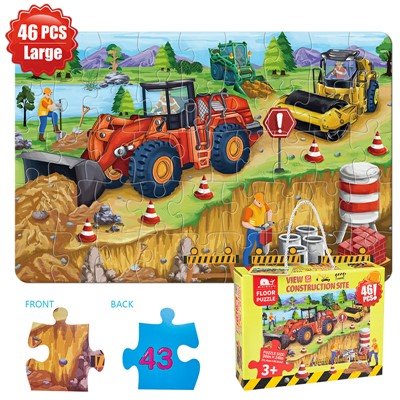
Oh, and one last thing: I know it’s tempting to grab the cheapest puzzle online, but trust me, the extra couple bucks for a quality one is worth it. I’ve been in this long enough to see the difference, and I’d never sell something I wouldn’t use for my own niece and nephew. So next time you’re shopping for a floor puzzle, don’t just look at the price tag – look at the materials, the size, the reviews. And if you have questions, reach out anytime. We’re here to help.
Jigsaw Puzzles References:
- Consumer Product Safety Commission. (2022). Product Safety Guidelines for Children’s Floor Puzzles.
- National Association for the Education of Young Children. (2021). Quality Standards for Early Learning Classroom Toys and Materials.
- Jigsaw Puzzle Manufacturers Association. (2023). Trends in Puzzle Materials and Pricing for Consumer and Bulk Orders.
- Environmental Protection Agency. (2020). Volatile Organic Compound Levels in Children’s Toy Products.
NINGBO LOTO PACKAGE MANUFACTORY CO.,LTD
Ningbo Sentu Art and Crafts Co., Ltd. is one of the most professional floor puzzles manufacturers and suppliers in China. With abundant experience, we warmly welcome you to buy high quality floor puzzles made in China here from our factory. If you have any enquiry about cooperation, please feel free to email us.
Address: 3rd Floor, Momi Community, New Jinfeng, No. 68, Chunchao Road, Yinzhou District, Ningbo City, Zhejiang Province, Ningbo, Zhejiang, China
E-mail: sales@nbprinting.com
WebSite: https://www.lotopuzzle.net/
