Hey everyone, let’s cut to the chase—if you’ve ever wanted to spruce up your place, mask off trim for a fresh paint job, or patch a small crack on your plaster walls, you’ve probably wondered at some point: does masking tape even work on plaster? As a masking tape supplier who’s been in the game for over 10 years, I’ve heard this question a ton from DIYers, painters, and even contractors. A lot of folks go cheap on tape just to save a buck, only to end up with torn paint, ripped plaster, or a sticky mess that takes hours to scrape off. Today, I’m breaking this down like we’re chatting over coffee, no stuffy science jargon, just real talk. Masking Tape
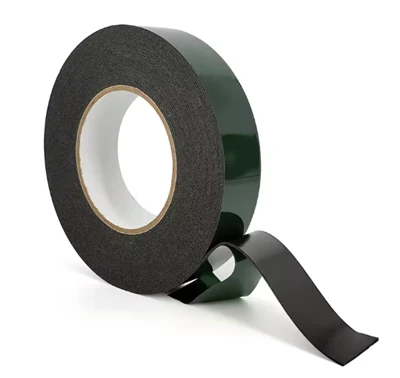
First off, let’s remember what plaster walls actually are. They’re not like drywall, which is basically gypsum pressed between two sheets of paper. Plaster is a mix of lime, sand, and water (or sometimes gypsum, depending on how old your house is) that’s troweled over wood lath or metal studs. That makes plaster way more porous, a little rougher, and way more prone to crumbling if you yank something off it the wrong way. Drywall’s smooth and consistent, so tape works differently there, but plaster’s a whole different beast.
Now, does masking tape work on plaster? The short answer is: yeah, but only if you’re using the right kind of masking tape, and you’re using it the right way. I’ve seen cheap, no-name tape that pulls right off the roll before you even press it to the wall, or leaves such a bad sticky residue that you’re using goo remover and a sponge for 20 minutes after. But when you get a tape designed for porous surfaces like plaster, it works like a charm—if you follow the basics.
Let’s get into why some tape fails on plaster, and ours (the stuff we supply) works. Most standard masking tapes have a rubber adhesive, right? Wait, no—wait, actually, there are two main adhesive types for masking tape: rubber and acrylic. Rubber adhesive is great for rough, porous surfaces because it’s stretchy and can seep into those little tiny holes in plaster to create a tight bond. Acrylic adhesive is cheaper, but it’s more rigid, so it doesn’t grip those porous spots as well. That’s why the cheap stuff slips off or leaves residue—it’s usually acrylic, and it’s meant for smooth drywall, not plaster. Our masking tape uses a medium-tack rubber adhesive, specifically formulated to stick to plaster without digging in too deep.
Wait, but “medium-tack” doesn’t mean you can leave it up for weeks on end, right? That’s a big mistake a lot of people make. If you’re masking for a paint job, 24 to 48 hours max is the sweet spot. If you leave it up longer than that, the adhesive starts to break down, and the heat from the sun, humidity in your house, or even just time makes it hard to peel clean. I’ve had a few customers come to us after using some no-name tape that they left up for a week—they ended up with so much residue that they had to sand the whole wall before repainting. That’s avoidable, I promise.
Another thing people don’t think about: prepping the plaster wall before applying tape. Plaster can have dust, loose paint chips, or that weird powdery “efflorescence” (fancy word for the white dust you sometimes see on old plaster) that gets in the way of the adhesive. If you just stick tape on a dusty wall, it’s only going to stick to the dust, not the plaster. So quick tip: wipe the wall down with a dry microfiber cloth first, maybe a slightly damp one if the dust is really bad, then let it dry completely before applying tape. That tiny step makes a huge difference.
I’ve also had guys tell me they tried masking tape on plaster and it ripped the paint right off when they peeled it. Why does that happen? Two reasons, usually. First, they were using too high-tack tape—like the heavy-duty stuff meant for construction, that’s way too strong for interior plaster. Our tape is medium-tack, so it’s strong enough to hold up while you roll paint, but gentle enough to peel off clean. Second, they peeled it at the wrong angle. A lot of people yank it straight up, like a band-aid, but on plaster, you want to peel it at a 45-degree angle, parallel to the wall. That reduces the force pulling on the paint, so it doesn’t chip or come off with the tape. I’ve trained every single one of our reps to remind customers of this, because it’s such a simple trick that fixes 90% of the “tape ruined my wall” complaints.
Wait, but what about different types of plaster? Like old lath-and-plaster from the 1950s vs. newer gypsum plaster walls? Same rules apply, but old plaster (especially lath-and-plaster) is often more porous and brittle, so you need a tape that’s not too aggressive. Our regular interior masking tape works perfectly on both, but if you’re dealing with super old, delicate plaster (like in a historic home), we also have a low-tack option that’s even gentler, designed not to pull at loose plaster edges. A lot of restoration guys swear by that one, actually.
Let’s test a real scenario: I had a customer last month who was painting his 100-year-old bedroom, which had that classic lath-and-plaster walls. He tried a $5 roll of tape from the hardware store, and when he peeled it off, half the base paint came with it, leaving a big patch on the wall. He switched to our tape, prepped the wall, applied it right before painting, and peeled it at 45 degrees—no issues at all, clean lines, no ripped plaster. That’s exactly what we’re here for, y’know?
Now, let’s talk about when masking tape doesn’t work on plaster. If you’re trying to use it as a temporary fix to hold something heavy, like a shelf bracket or a picture frame, don’t do that. Masking tape isn’t structural—its whole job is just to hold paint while you work. If you stick something heavy on it, it’ll fall off, and if you pull it off to reposition it, it’ll leave sticky residue. That’s not what it’s designed for, plain and simple. Also, if you’re dealing with a wall that has loose, crumbly plaster (like if there’s water damage and the plaster’s separating from the lath), masking tape might not work well there because there’s not a solid surface to bond to. In that case, you should fix the loose plaster first before using tape, otherwise it’ll just pull that loose plaster right off.
Another common myth: more expensive tape is always better. Not true. Some expensive brand-name tapes are great, but a lot of “premium” tapes are just the same stuff we supply with a fancy logo. Our masking tape is priced competitively, but we test every batch to make sure it sticks to plaster, comes off clean, and doesn’t leave residue. We don’t cut corners on the adhesive because we know how frustrating it is for customers to ruin their walls. We actually get a lot of repeat customers—painters who used our tape once, came back because they didn’t have to sand their walls after every job. That’s the real win here.
Let’s sum this up so it’s easy to remember: Masking tape does work on plaster walls, if you use the right tape, prep the wall, and apply/peel it correctly. Skip the cheap acrylic-based tape, go for a medium-tack rubber adhesive masking tape designed for porous surfaces. Wipe the wall down first, don’t leave it on longer than 48 hours, and peel at a 45-degree angle. If you’re working on old or delicate plaster, grab our low-tack option.
Now, if you’re a contractor, a DIYer with a big paint project, or even a homeowner with a historic house, and you want masking tape that actually works on plaster without the headache—we’ve got you. We supply all kinds of masking tapes for every job, from interior painting to plaster restoration. If you’re looking to stock up, or just have questions about which tape is right for your walls, hit us up to connect and chat through your needs. No stuffy sales pitch, just real talk from people who know masking tape, and how to make your projects go smooth.
Masking Tape References:
- Painters Today. (2022). Choosing Masking Tape for Porous Surfaces. Professional Painting Association.
- Building Science Corporation. (2021). Plaster Wall Properties and Surface Preparation. BSc Publications.
- ASTM International. (2020). Standard Specification for Masking Tape for Interior Use. ASTM D3359-20.
- DIY Network. (2023). Common Mistakes When Using Masking Tape on Plaster Walls. Scripps Networks.
- Industrial Tape Manufacturers Association. (2022). Adhesive Technology for Rough, Porous Surfaces. ITMA Technical Bulletin.
Yiwu Yubang Adhesive Products Co., Ltd.
As one of the most professional masking tape manufacturers and suppliers in China, we also support custom service. We warmly welcome you to wholesale high quality masking tape made in China here from our factory. If you have any enquiry about cooperation, please feel free to email us.
Address: 4th Floor, No. 17 Gantang West Road, Yiting Town, Yiwu City, Jinhua City
E-mail: salesmanager@yubangtape.com
WebSite: https://www.yubang-tape.com/
